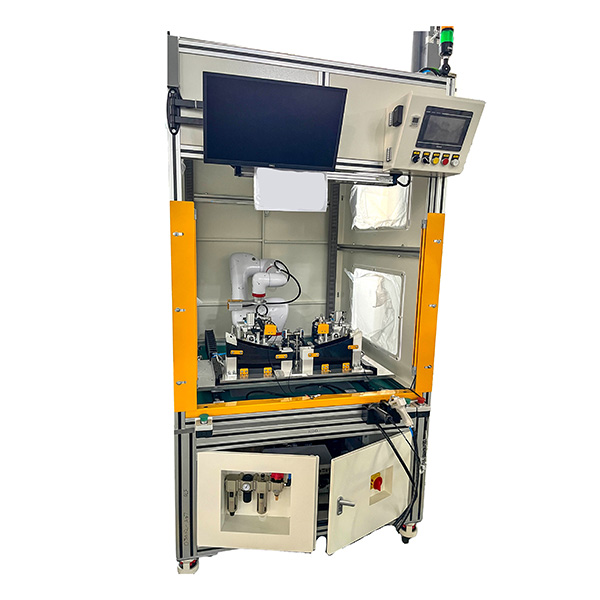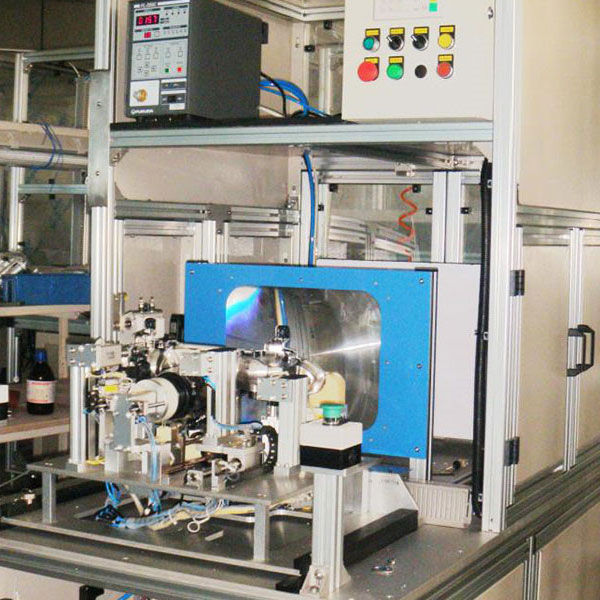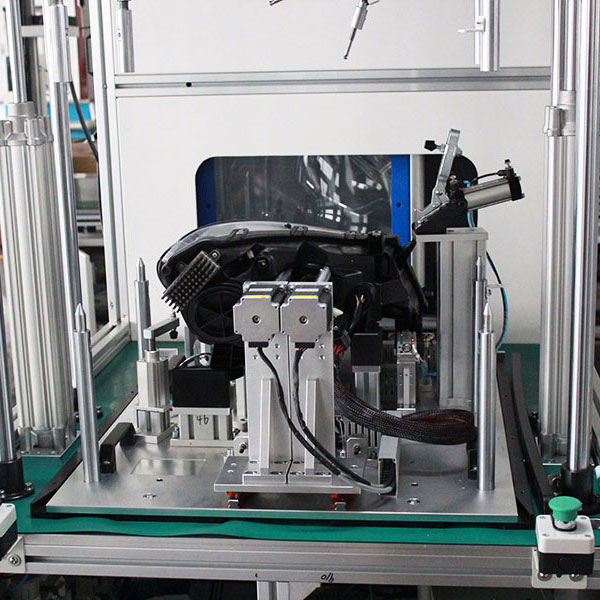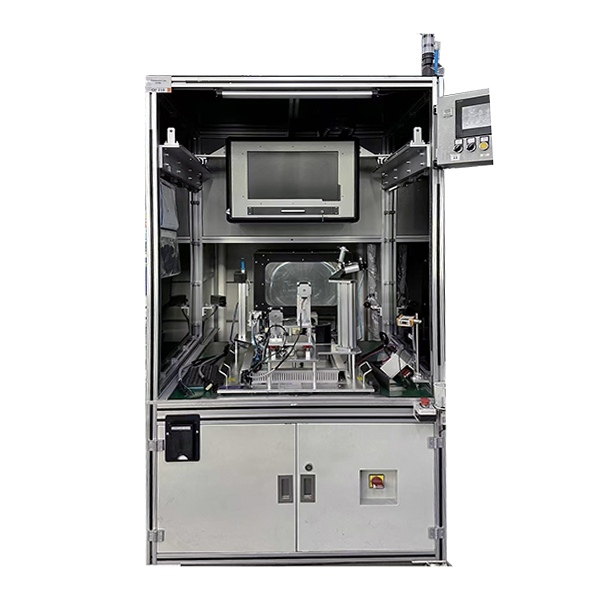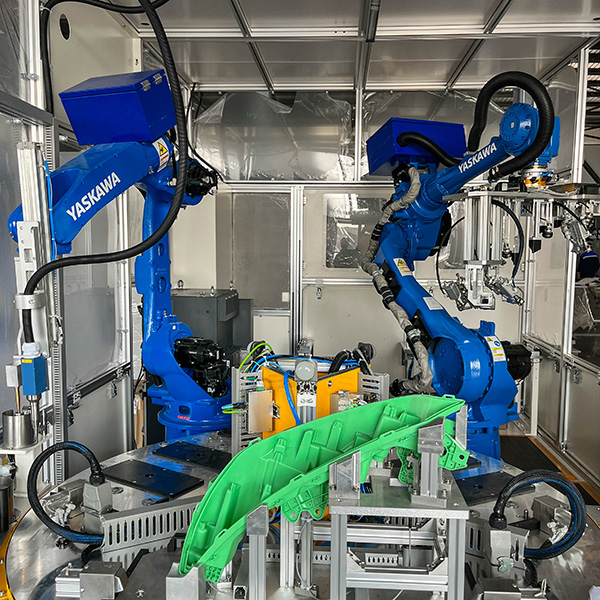
Integrating Dispensing, Curing, and Inspection into One Seamless Workflow
In modern automotive lighting production, efficiency and precision must go hand in hand. Components such as headlamp lenses, housings, and electronic modules require accurate adhesive dispensing, controlled curing, and reliable inspection to ensure durability and safety. When these processes operate separately, delays, misalignment, and quality gaps can occur. Integrating dispensing, curing, and inspection into one seamless workflow transforms manufacturing into a synchronized, high-performance system. Dispensing is often the starting point of this workflow. Whether applying structural adhesives, sealants, or optical bonding materials, precision is critical. The exact bead width, height, and placement determine sealing performance and structural strength. By integrating dispensing into a continuous production line, robotic systems can apply materials with repeatable accuracy, while sensors monitor flow rate, pressure, and viscosity in real time. Immediate feedback ensures that variations are corrected before defects propagate downstream.
Curing follows dispensing and must be precisely aligned with the material characteristics. UV curing, thermal curing, or hybrid processes require controlled exposure time, temperature, and energy intensity. When curing systems are directly connected to dispensing stations, conveyor speeds and dwell times can be automatically synchronized. This eliminates handling delays and reduces the risk of contamination or misalignment between stages. Automated transitions also ensure consistent curing quality for every component. Inspection is the final safeguard in the workflow, but in an integrated system, it becomes more than just an endpoint check. Vision systems and sensors positioned immediately after dispensing verify bead continuity, position, and volume before curing begins. Post-curing inspection confirms adhesion integrity, surface quality, and dimensional accuracy. Real-time inspection allows instant rejection or correction, minimizing scrap and preventing defective parts from reaching subsequent assembly steps.
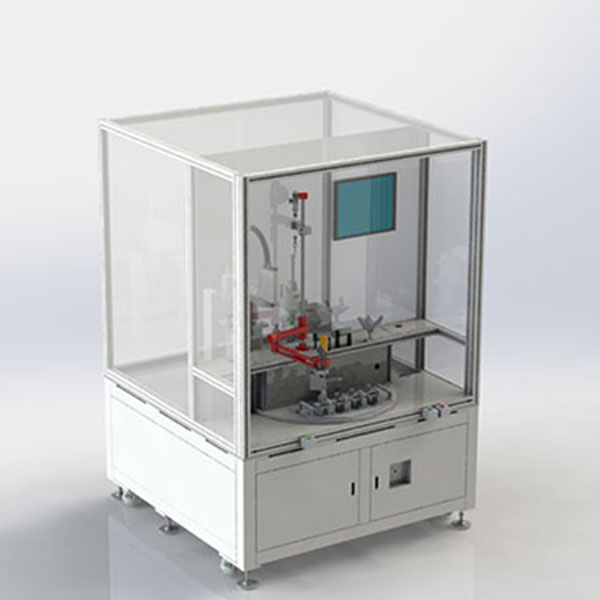
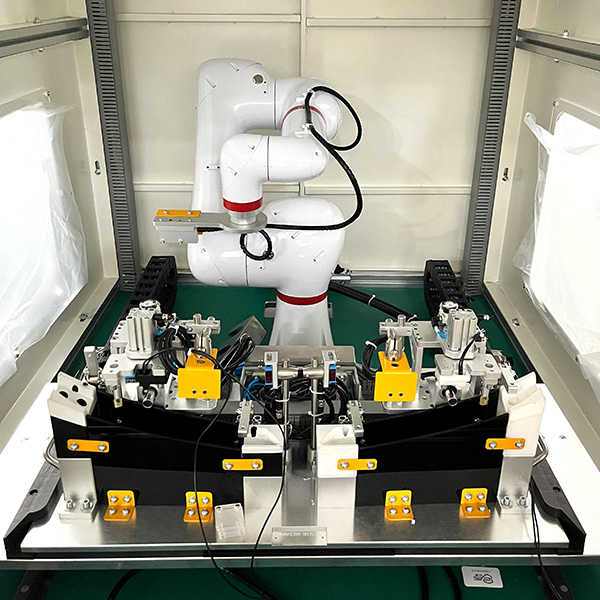
One of the key advantages of integration is reduced handling. Each time a part is manually transferred between processes, the risk of contamination, misalignment, or damage increases. A seamless workflow keeps components within a controlled path, reducing exposure to environmental variables and improving cleanliness—especially critical for optical components where surface clarity directly affects lighting performance. Data integration further enhances process control. When dispensing parameters, curing energy levels, and inspection results are connected through a centralized control system, manufacturers gain complete traceability. Process data can be logged for every part, supporting quality audits and regulatory compliance. If an issue arises, engineers can trace it back to specific parameters and adjust quickly, preventing widespread defects.
Cycle time efficiency is another benefit. Instead of waiting for batch transfers between departments, components move continuously through each stage. This reduces lead time, improves throughput, and supports high-volume production demands typical in automotive programs. Integrated workflows are especially valuable when serving multiple OEM platforms that require consistent output under tight delivery schedules. Automation compatibility is strengthened as well. Robots, conveyors, curing units, and inspection systems can operate under unified software control. Recipe-based programming allows quick adjustments when switching between models, enabling flexible production without sacrificing precision. Smart alarms and predictive maintenance systems ensure stable equipment performance across all integrated stages.
Quality improvement is the ultimate outcome of a seamless workflow. By aligning dispensing accuracy, curing stability, and inspection precision within one coordinated system, variability is minimized. Each process reinforces the next, creating a closed-loop quality environment where defects are detected early and corrected immediately. Integrating dispensing, curing, and inspection into a unified workflow represents the evolution of smart manufacturing in automotive lighting. It combines precision engineering, automation, and digital monitoring to deliver reliable, repeatable, and high-quality results. In an industry where performance and safety cannot be compromised, seamless integration ensures that every component meets the highest standards from the first step to the final check.