Green Manufacturing Trends in Automotive Lighting
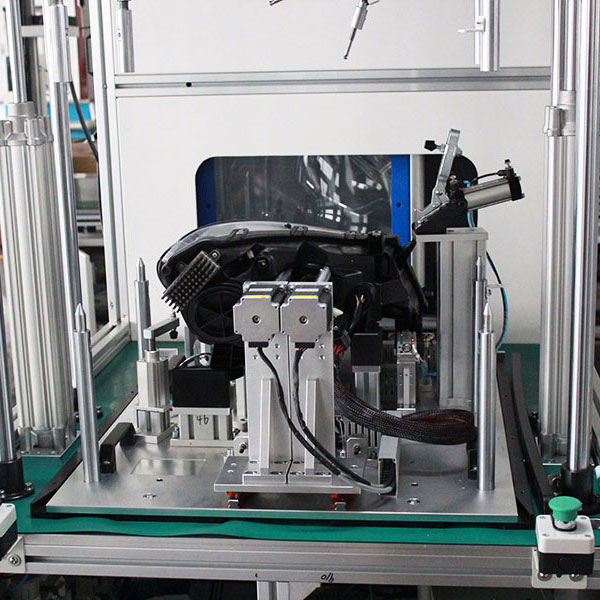
Green manufacturing has become a defining trend in the automotive industry, and automotive lighting production is no exception. As governments strengthen environmental regulations and OEMs commit to carbon neutrality goals, lighting manufacturers are under increasing pressure to reduce energy consumption, minimize waste, and adopt sustainable production practices. Green manufacturing in automotive lighting is no longer optional—it is a strategic necessity. One major trend is energy-efficient production equipment. Traditional thermal curing ovens and high-energy processes are gradually being replaced or optimized with low-energy alternatives such as LED-based UV curing systems. These systems consume significantly less electricity, generate less heat, and offer longer operational lifespans. By reducing power consumption per unit produced, manufacturers lower both operating costs and carbon emissions.
Material optimization is another key area of progress. Automotive lighting relies heavily on plastics, coatings, adhesives, and electronic components. Manufacturers are increasingly selecting materials with lower environmental impact, including recyclable thermoplastics and low-VOC (volatile organic compound) coatings. Lightweight materials not only reduce vehicle weight—supporting fuel efficiency and EV range—but also decrease material usage in production. Waste reduction through smart process control is a growing focus. Advanced dispensing systems reduce adhesive overuse, while precision coating lines minimize over spray and material loss. Real-time monitoring systems detect process deviations early, preventing large batches of defective parts. By improving first-pass yield rates, manufacturers significantly cut down scrap and rework, contributing to both environmental and financial sustainability.
Water and air management are also critical components of green manufacturing. Modern coating lines and cleaning systems incorporate filtration and recycling technologies to reduce water consumption. Improved ventilation and filtration systems capture airborne particles and chemical vapors, minimizing emissions and improving workplace safety. These systems help plants comply with environmental regulations while creating healthier working conditions. Digitalization and Industry 4.0 technologies further support sustainability goals. Smart production lines collect data on energy use, machine performance, and material efficiency. By analyzing this data, manufacturers can optimize cycle times, reduce idle power consumption, and predict maintenance needs. Predictive maintenance reduces unexpected breakdowns and extends equipment life, preventing premature replacement and resource waste.
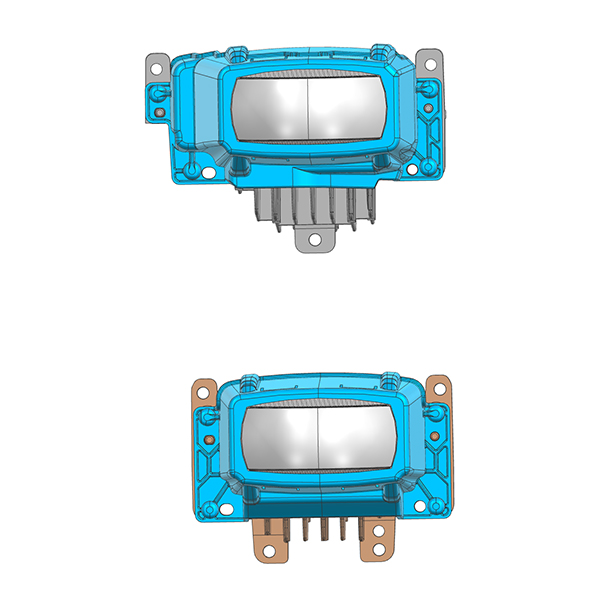
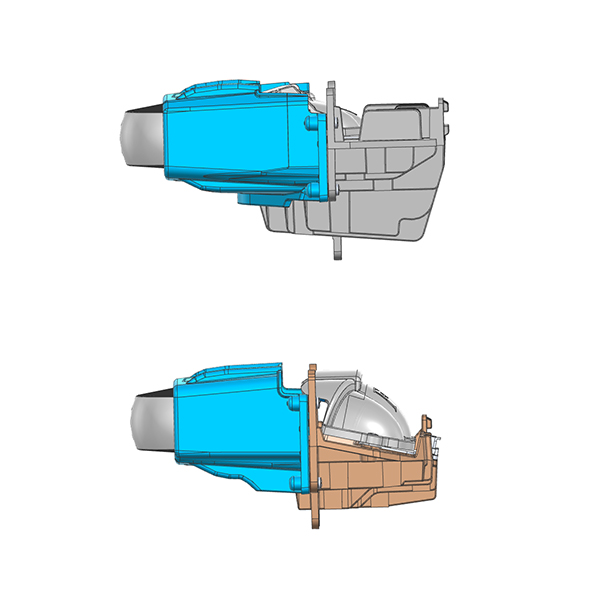
Sustainable packaging and logistics practices are gaining attention as well. Automotive lighting components are often transported globally. Reusable packaging systems, optimized pallet design, and reduced packaging materials help lower shipping weight and environmental impact. Efficient logistics planning reduces fuel consumption and carbon emissions across the supply chain. Life cycle thinking is becoming increasingly important. Manufacturers now evaluate the environmental footprint of lighting products from raw material sourcing to end-of-life disposal. Designing lamps that are easier to disassemble and recycle supports circular economy principles. Modular lighting assemblies can simplify component replacement, extending product life and reducing total waste.
Renewable energy adoption is another emerging trend. Many production facilities are investing in solar panels, energy storage systems, or purchasing green electricity to power manufacturing operations. This transition reduces dependency on fossil fuels and supports corporate sustainability commitments. Green manufacturing also strengthens brand reputation. OEMs increasingly prioritize suppliers who align with environmental, social, and governance (ESG) standards. Lighting manufacturers that demonstrate measurable sustainability improvements gain competitive advantages in global bidding processes.
As automotive technology advances—particularly with the rise of electric vehicles—sustainability expectations will continue to grow. Green manufacturing trends in automotive lighting combine energy efficiency, material innovation, digital intelligence, and responsible resource management. Together, these efforts create a production model that balances performance, profitability, and environmental responsibility, shaping the future of automotive lighting in a cleaner and more sustainable direction.