Projector Lenses vs. Reflector Systems: Manufacturing Considerations
Automotive headlamp design has evolved significantly over the years, with projector lenses and reflector systems becoming the two dominant optical technologies used in modern vehicles. While both serve the same purpose—directing light onto the road efficiently—their design principles and manufacturing requirements differ greatly. For lighting manufacturers, understanding these differences is essential for selecting the right production processes, tooling strategies, and quality control methods. Reflector systems are the traditional approach to automotive lighting. In this design, a light source is positioned within a reflective housing that directs light forward using a carefully shaped reflective surface. Manufacturing reflector systems requires high-precision molds that can reproduce complex curved geometries with extremely smooth surfaces. Any minor imperfection on the reflector surface can scatter light and reduce beam efficiency. The reflective coating process—often involving vacuum metallization of aluminum—must also maintain uniform thickness and adhesion to ensure consistent optical performance.
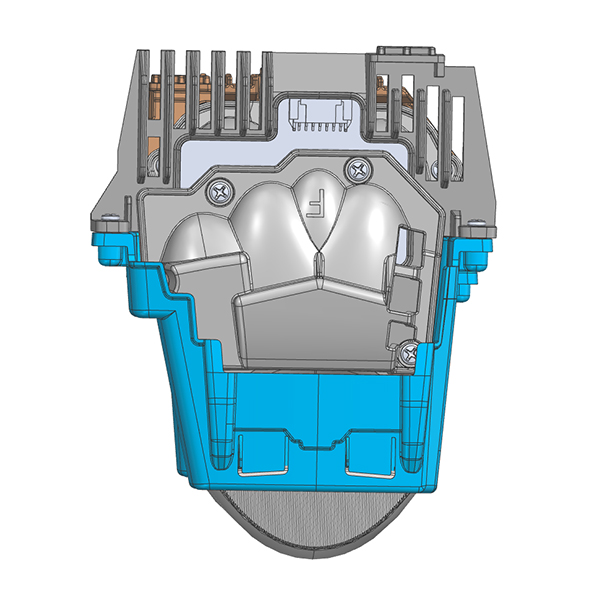
Projector lens systems, on the other hand, rely on a different optical structure. Instead of reflecting light directly outward, the system uses a reflector, a shield, and a convex lens to project a controlled beam pattern onto the road. This design produces a sharper cutoff line and more focused illumination, which is especially beneficial for modern LED and HID lighting systems. From a manufacturing standpoint, projector systems introduce additional complexity due to the number of precision optical components involved. One key manufacturing consideration for projector lenses is optical clarity. The lens itself must be produced from high-quality optical-grade materials, typically polycarbonate or glass, with extremely tight control over surface smoothness and refractive properties. Injection molding processes must be carefully managed to avoid internal stress, bubbles, or distortions that could alter the beam pattern. Post-molding treatments such as hard coatings or UV protection are often applied to maintain long-term transparency and scratch resistance.
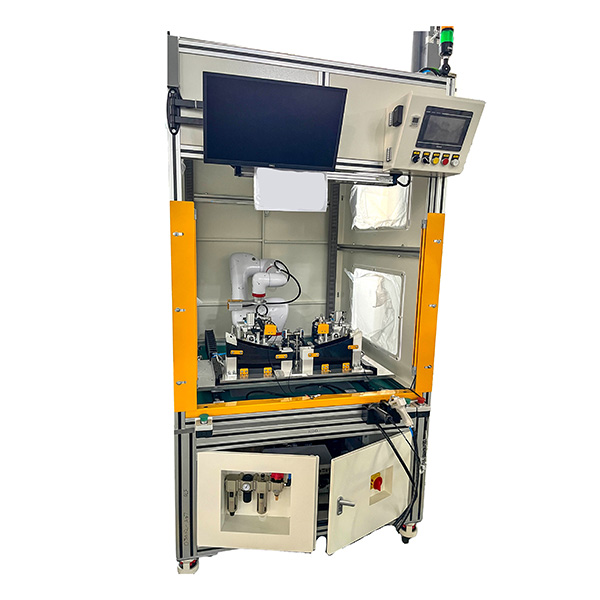
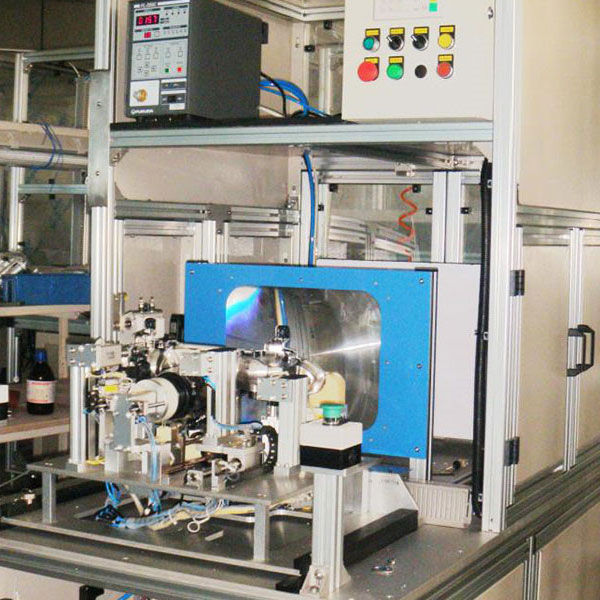
Assembly precision also differs significantly between the two systems. Reflector lamps rely heavily on the shape of the reflector itself, so once the bulb is properly positioned, the beam pattern remains relatively stable. Projector systems, however, require precise alignment of the reflector bowl, cutoff shield, and lens. Even small assembly deviations can shift the beam focus or distort the cutoff line. As a result, projector manufacturing often incorporates automated alignment systems and optical verification during assembly. Production equipment must also adapt to these technological differences. Reflector manufacturing lines focus heavily on high-quality metallization processes, surface finishing, and reflector inspection. Projector lens production requires additional equipment for lens handling, coating, precision alignment, and photometric testing. The added complexity of projector systems typically results in higher production costs but offers improved optical performance.
Quality inspection methods vary as well. Reflector systems often rely on surface inspection and dimensional verification to ensure optical performance. Projector systems require more advanced testing, including beam pattern measurement and photometric analysis. These tests confirm that the assembled projector unit produces the intended light distribution and meets regulatory requirements. Another factor influencing manufacturing is thermal management. Modern projector systems are frequently paired with high-intensity LED modules, which generate concentrated heat. Housing materials, internal structures, and mounting designs must accommodate effective heat dissipation to maintain optical stability and component longevity.
Design flexibility is also an important consideration. Reflector systems can be easier to scale for larger headlamp designs, while projector systems allow more compact layouts and stylized lighting signatures. This design flexibility has made projector lenses increasingly popular in premium vehicles and advanced lighting systems. Ultimately, both reflector and projector technologies remain important in automotive lighting. Reflector systems offer cost-effective manufacturing and robust performance, while projector lenses deliver superior beam control and modern design possibilities. For lighting manufacturers, balancing these technologies requires expertise in precision tooling, optical engineering, and advanced production processes to meet the evolving demands of the automotive industry.