Designing Equipment for Future Lighting Technologies
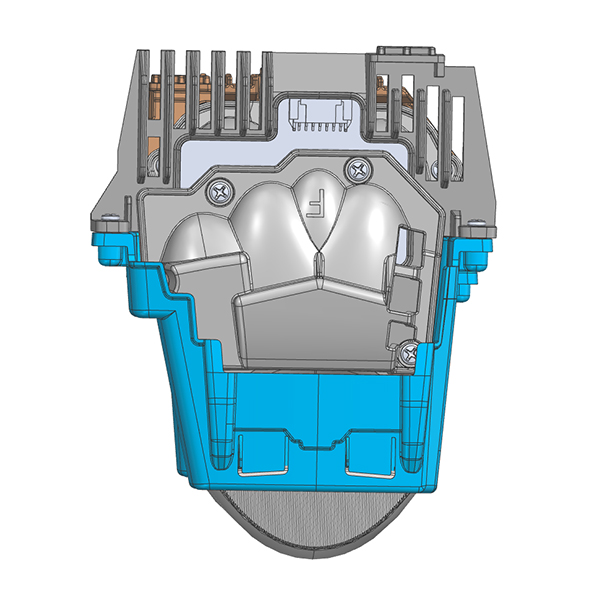
Automotive lighting is evolving rapidly as new technologies such as LED, adaptive headlights, matrix beams, and smart lighting systems become standard across many vehicle platforms. These innovations are transforming not only how vehicles illuminate the road but also how lighting components are manufactured. Designing equipment that can support future lighting technologies requires flexibility, precision, and the ability to adapt to increasingly complex production requirements. One of the most significant shifts in automotive lighting is the move from traditional halogen systems to advanced LED and laser-based lighting. These technologies offer higher efficiency, longer lifespan, and more design freedom. However, they also introduce tighter tolerances in optical alignment, thermal management, and electronic integration. Equipment used in lighting production must therefore achieve higher levels of precision in assembly, positioning, and testing to ensure that these advanced components perform as intended.
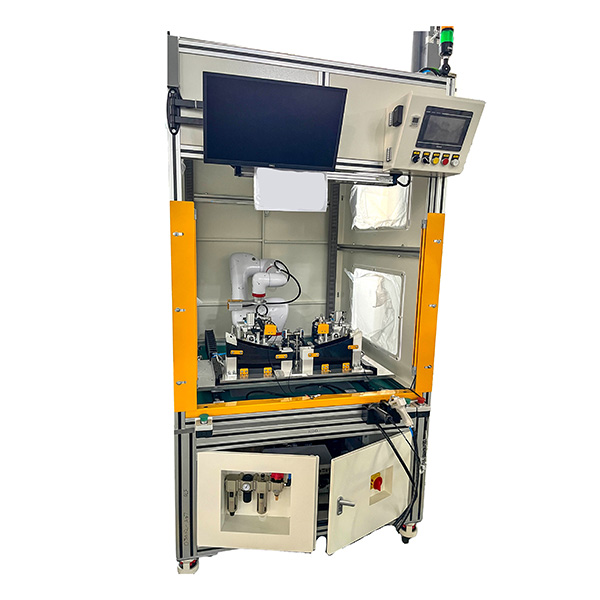
Flexibility is another critical factor when designing equipment for future lighting systems. Vehicle models evolve quickly, and lighting designs often change between model generations or even mid-cycle updates. Production equipment must support multiple product variations without requiring complete line reconstruction. Modular assembly systems, adjustable fixtures, and programmable automation enable manufacturers to adapt to different lamp geometries, optical configurations, and electronic modules with minimal downtime. Automation plays a central role in supporting the complexity of modern lighting production. Robotic systems can perform tasks such as adhesive dispensing, optical alignment, lens installation, and component handling with a level of consistency that manual processes cannot achieve. Advanced automation also allows manufacturers to maintain high production speeds while meeting strict quality standards required by global automotive OEMs.
Precision coating and curing equipment are also becoming more important. Modern headlamp lenses often require UV coatings, anti-fog layers, and scratch-resistant surfaces. Equipment must ensure uniform coating application and consistent curing conditions across different materials and shapes. Future lighting technologies may introduce additional surface treatments or functional coatings, making adaptable coating systems essential. Inspection and testing capabilities must evolve alongside new lighting technologies. As beam patterns become more complex and lighting systems become more intelligent, quality verification requires more advanced photometric testing and optical measurement tools. Integrated inspection systems can evaluate beam performance, detect assembly deviations, and confirm compliance with international regulations before the product leaves the production line.
Data connectivity and smart manufacturing concepts are also shaping the design of modern production equipment. Industry 4.0 technologies allow machines to collect real-time production data, monitor equipment health, and predict maintenance needs. These capabilities help manufacturers maintain stable production while reducing downtime and improving overall efficiency. Thermal management is another design consideration as lighting technologies advance. High-intensity LEDs and compact lighting modules generate significant heat that must be managed during both operation and production. Equipment designed for future lighting systems must ensure that assembly processes, curing stages, and testing procedures do not introduce thermal stress that could affect component performance.
Sustainability is increasingly influencing equipment design as well. Energy-efficient systems, reduced material waste, and environmentally friendly coatings are becoming priorities for automotive manufacturers worldwide. Equipment that supports efficient resource use while maintaining high production quality helps manufacturers meet both environmental goals and economic targets. Ultimately, designing equipment for future lighting technologies means anticipating change. As automotive lighting continues to integrate electronics, optics, and smart functionality, production systems must remain adaptable and precise. By combining advanced automation, flexible architecture, and intelligent monitoring, manufacturers can build equipment capable of supporting the next generation of automotive lighting innovation.