Designing Flexible Coating Lines for Multi-Model Automotive Programs
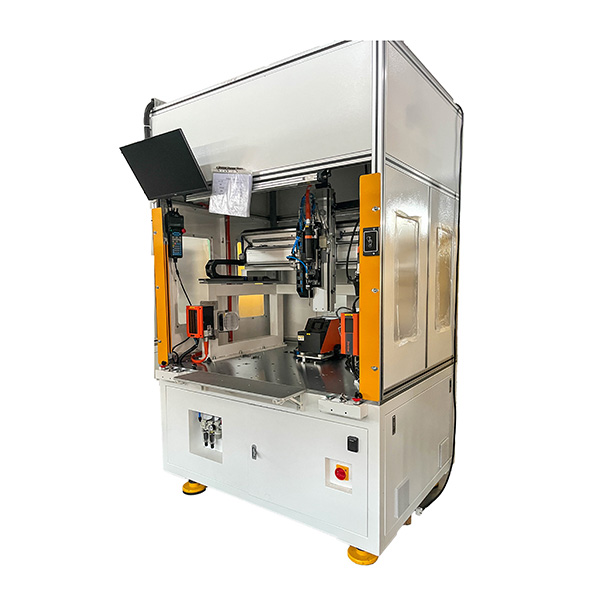
Automotive lighting manufacturers today operate in an environment where multiple vehicle models are produced simultaneously, often with different headlamp designs, materials, and coating requirements. As OEM programs become more diverse and product lifecycles shorten, coating lines must be designed with flexibility in mind. Flexible coating lines allow manufacturers to handle multiple lamp models efficiently while maintaining consistent quality and productivity. The foundation of a flexible coating line lies in modular system design. Instead of building a fixed production line dedicated to a single product, manufacturers use modular stations for cleaning, pre-treatment, coating, curing, and inspection. Each module can be adjusted, upgraded, or rearranged to accommodate different product types. This approach allows manufacturers to introduce new headlamp or lens designs without rebuilding the entire line.
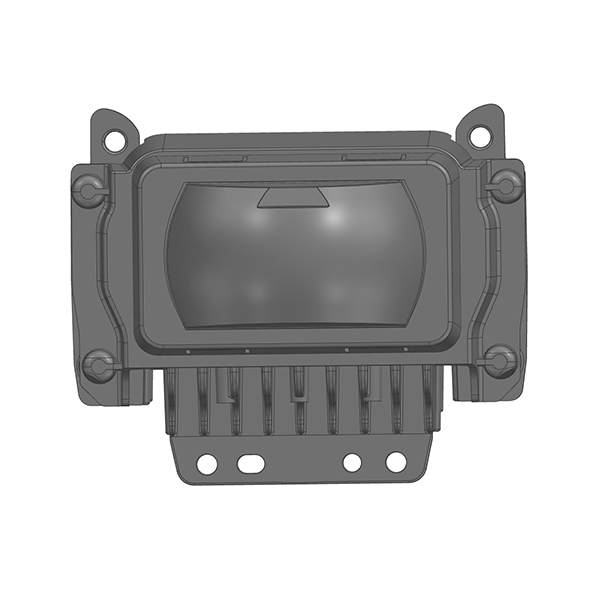
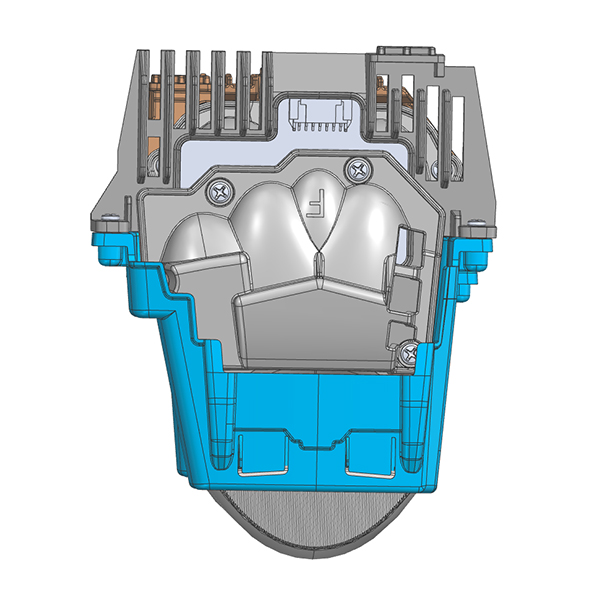
Part handling systems play a crucial role in supporting multi-model production. Automotive lighting components vary in size, curvature, and surface sensitivity. Flexible coating lines use adjustable fixtures, universal carriers, and programmable conveyor systems to adapt to these variations. Quick-change fixtures allow operators to switch between product models quickly, reducing downtime and enabling efficient mixed-model production. Coating application technology must also support different process requirements. Some lighting components require UV hard coatings for scratch resistance, while others may need anti-fog coatings or decorative layers. Robotic spray systems equipped with programmable parameters can adjust spray patterns, pressure, and coating thickness for different products. This programmable flexibility allows a single coating station to serve multiple vehicle platforms.
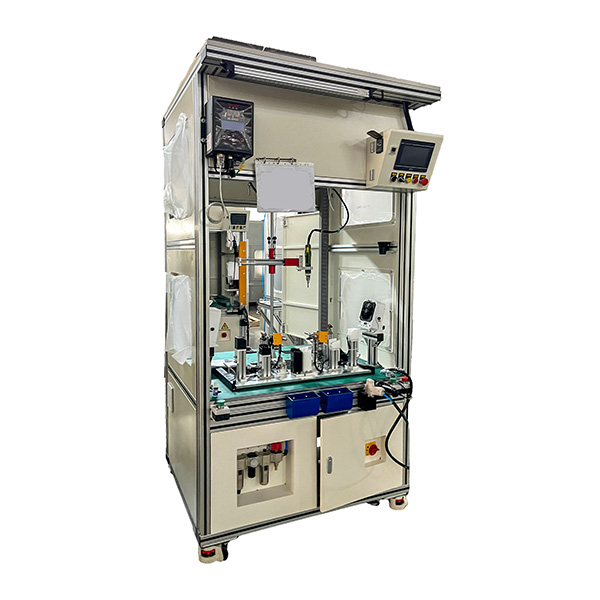
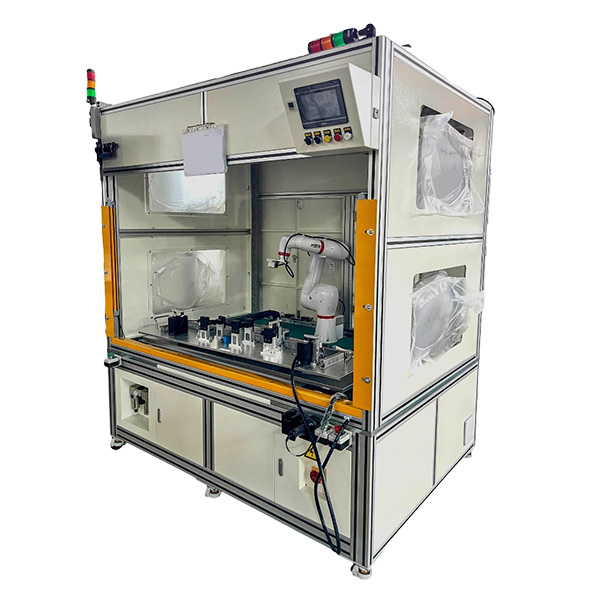
Curing technology is another key element of flexible coating line design. Different coatings require different curing conditions, such as UV curing, thermal curing, or a combination of both. Flexible curing systems provide adjustable intensity, exposure time, and temperature control to accommodate varying coating chemistries. By integrating multiple curing options, manufacturers can process diverse products within the same production line. Environmental control is essential to maintain coating quality across multiple product types. Temperature, humidity, and air cleanliness must remain stable to ensure proper coating adhesion and surface finish. Advanced ventilation and filtration systems help maintain consistent environmental conditions while handling different coating materials and production volumes.
Digital control systems are the backbone of flexible coating operations. Modern coating lines use programmable logic controllers and manufacturing software to store process “recipes” for different products. When switching between models, operators can select the appropriate recipe, and the system automatically adjusts spray parameters, curing settings, and conveyor speeds. This automation reduces human error and ensures consistent results across multiple production runs. Integrated inspection systems further support multi-model manufacturing. Optical inspection cameras and coating thickness measurement tools verify that each component meets quality standards regardless of its design. Early detection of coating defects helps prevent rework and ensures that every part meets the required performance specifications before moving to the next stage.
Maintenance and scalability must also be considered when designing flexible coating lines. Equipment that allows easy access, standardized components, and modular upgrades helps manufacturers expand capacity or integrate new technologies without major disruptions. This future-ready approach protects investment and keeps production lines adaptable to evolving industry requirements. In today’s competitive automotive industry, flexibility in manufacturing is essential. By combining modular architecture, programmable automation, adaptable curing systems, and smart process control, flexible coating lines enable manufacturers to support multiple vehicle platforms efficiently. This approach ensures high-quality coatings, faster changeovers, and the ability to respond quickly to changing OEM program demands.