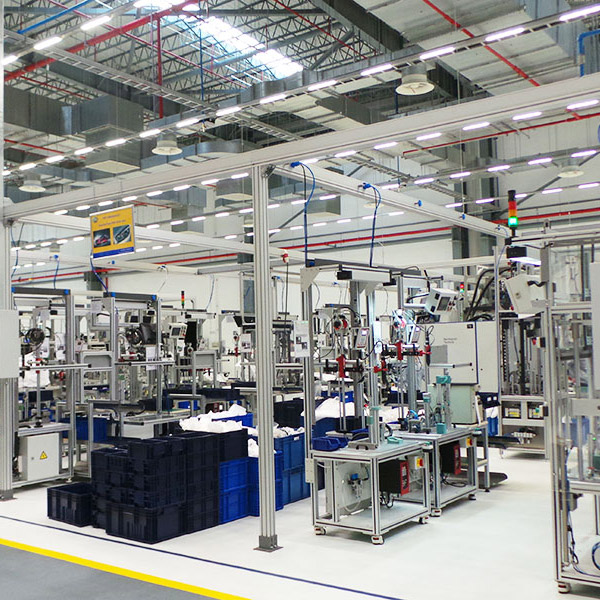
Integrating Dispensing, Curing, and Inspection into One Seamless Workflow
In modern automotive lighting production, precision and efficiency are no longer separate goals—they must be achieved simultaneously. Processes such as adhesive dispensing, curing, and inspection are critical to product performance, especially for headlamps and taillamps where sealing integrity and optical quality are essential. When these processes operate independently, inconsistencies and delays can arise. Integrating them into one seamless workflow creates a synchronized system that improves quality, reduces waste, and enhances overall productivity. The workflow begins with precision dispensing, where adhesives or sealants are applied to components such as lamp housings and lenses. The accuracy of this step directly affects sealing performance and structural strength. Automated dispensing systems ensure consistent bead size, placement, and volume, eliminating the variability associated with manual application. Real-time monitoring of parameters such as pressure, flow rate, and viscosity allows immediate adjustments, preventing defects at the source.
Once dispensing is completed, curing must occur under controlled conditions to achieve optimal material properties. Whether using UV curing, thermal curing, or hybrid methods, the curing process must be precisely matched to the adhesive or coating used. By integrating curing directly into the production line, manufacturers can synchronize conveyor speed, exposure time, and temperature with the dispensing process. This eliminates delays between stages and ensures that materials cure uniformly across all components. Inspection plays a crucial role in validating both dispensing and curing results. In a seamless workflow, inspection is not limited to the end of the line but is embedded throughout the process. Vision systems can verify bead continuity and placement immediately after dispensing, while post-curing inspection checks for proper adhesion, surface quality, and dimensional accuracy. This real-time verification allows defective parts to be identified and removed early, preventing downstream issues and reducing rework.
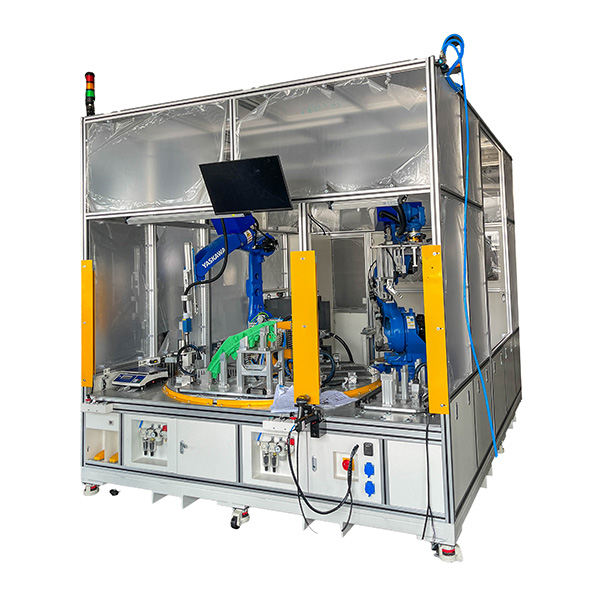
One of the major advantages of integration is the reduction of manual handling. Each time a component is transferred between separate processes, there is a risk of contamination, misalignment, or damage. A continuous workflow keeps parts within a controlled environment, preserving cleanliness and ensuring consistent positioning. This is particularly important for optical components, where even minor contamination can affect light performance. Data integration further strengthens the system. When dispensing parameters, curing conditions, and inspection results are connected through a central control platform, manufacturers gain full visibility over the production process. Each product can be traced back to its exact process conditions, supporting quality audits and regulatory compliance. This level of traceability is increasingly important for OEM customers and global automotive standards.
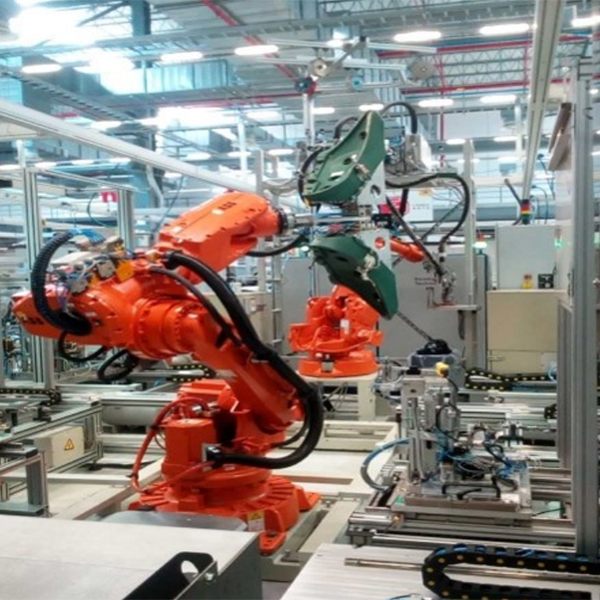
Efficiency improvements are another key benefit. Integrated workflows reduce cycle time by eliminating waiting periods between processes. Components move continuously from one stage to the next, increasing throughput and supporting high-volume production demands. This is especially valuable in multi-model production environments where flexibility and speed are essential. Automation plays a central role in enabling seamless integration. Robotic systems, synchronized conveyors, and programmable control units ensure that each stage operates in harmony with the others. Recipe-based programming allows quick adjustments when switching between different product models, maintaining precision without sacrificing flexibility.
Quality consistency is significantly improved when dispensing, curing, and inspection are aligned. Each process reinforces the next, creating a closed-loop system where deviations are detected and corrected immediately. This reduces scrap rates, enhances product reliability, and supports zero-defect manufacturing goals. Integrating dispensing, curing, and inspection into one seamless workflow represents a key advancement in automotive lighting production. By combining precision engineering, automation, and data-driven control, manufacturers can achieve higher quality, greater efficiency, and stronger competitiveness in the global market.