Lowering Energy Consumption in Coating and Curing Processes
Energy consumption is a major concern in automotive lighting production, particularly in coating and curing processes where equipment often operates continuously at high power levels. As manufacturers face increasing pressure to reduce costs and meet sustainability targets, optimizing energy usage has become both an environmental and economic priority. Lowering energy consumption in these processes requires a combination of advanced technology, smart system design, and precise process control. One of the most effective ways to reduce energy usage is by adopting energy-efficient curing technologies. Traditional thermal curing ovens consume large amounts of electricity and generate excess heat, much of which is lost to the surrounding environment. In contrast, UV curing systems—especially LED-based UV solutions—offer significantly higher efficiency. They convert energy directly into curing radiation with minimal heat loss, reducing both power consumption and cooling requirements.
Process optimization also plays a crucial role in energy reduction. Coating thickness, curing time, and temperature settings must be carefully calibrated to achieve the desired performance without overprocessing. Excessive curing time or unnecessarily high temperatures waste energy and may even degrade material properties. By fine-tuning process parameters through testing and data analysis, manufacturers can achieve optimal results with minimal energy input. Smart control systems further enhance efficiency. Modern coating lines use sensors and programmable logic controllers to monitor real-time conditions such as temperature, humidity, and curing intensity. These systems can automatically adjust operating parameters based on production needs, ensuring that energy is used only when necessary. For example, equipment can enter standby mode during production pauses or adjust power output based on part size and coating requirements.
Improving insulation and heat management is another important strategy. In thermal curing systems, a significant portion of energy loss occurs through poor insulation or inefficient airflow. Upgrading insulation materials, sealing heat leakage points, and optimizing air circulation within ovens can greatly improve thermal efficiency. Recovering and reusing waste heat for preheating or other processes further reduces overall energy demand. Efficient material application contributes indirectly to energy savings. Precision coating technologies such as robotic spraying and controlled dispensing reduce overspray and ensure uniform coating thickness. When coatings are applied accurately, curing energy can be reduced because there is no excess material requiring additional processing. This not only lowers energy consumption but also reduces material waste.
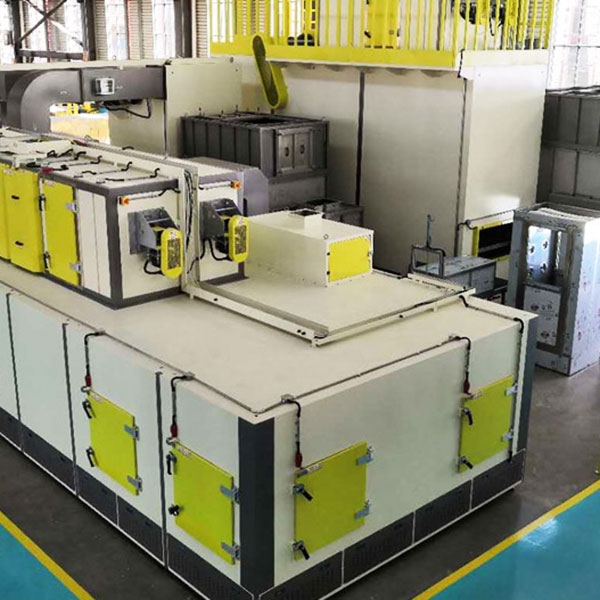
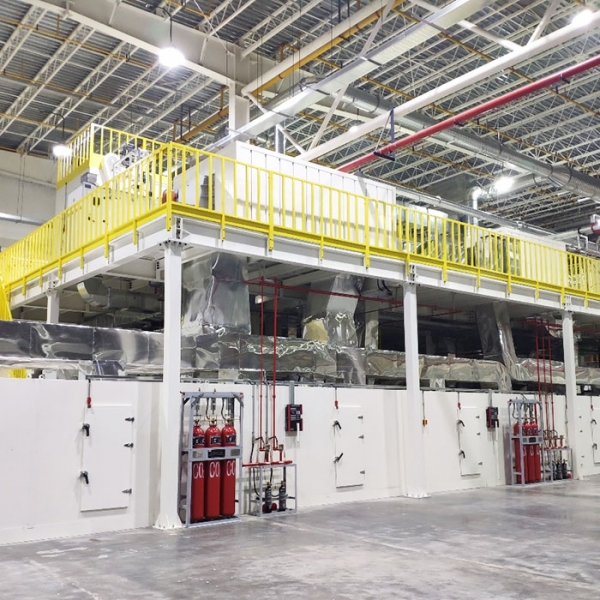
Equipment design also has a significant impact. Modern coating lines are increasingly designed with modular and scalable systems that operate only the necessary sections during production. Instead of running the entire line at full capacity, manufacturers can activate specific modules based on production requirements. This targeted operation minimizes unnecessary energy usage. Maintenance and equipment condition are often overlooked factors. Worn-out components, clogged nozzles, or degraded UV lamps can reduce process efficiency, forcing systems to consume more energy to achieve the same result. Regular maintenance, calibration, and timely replacement of critical components help maintain optimal performance and prevent energy waste.
Digitalization and data analysis provide additional opportunities for improvement. By collecting and analyzing energy consumption data across different processes, manufacturers can identify inefficiencies and implement targeted solutions. Energy monitoring systems allow real-time tracking and benchmarking, enabling continuous improvement in operational efficiency.Finally, integrating renewable energy sources into production facilities further reduces the environmental impact of coating and curing processes. Solar panels, energy storage systems, or green electricity sourcing can offset energy consumption and support sustainability goals without compromising production capacity.
Lowering energy consumption in coating and curing processes is not achieved through a single solution but through a combination of technology, process optimization, and smart management. By adopting efficient curing methods, improving system design, and leveraging data-driven control, automotive lighting manufacturers can significantly reduce energy usage while maintaining high product quality and production performance.