How Assembly Line Design Impacts Leveling Motor Performance
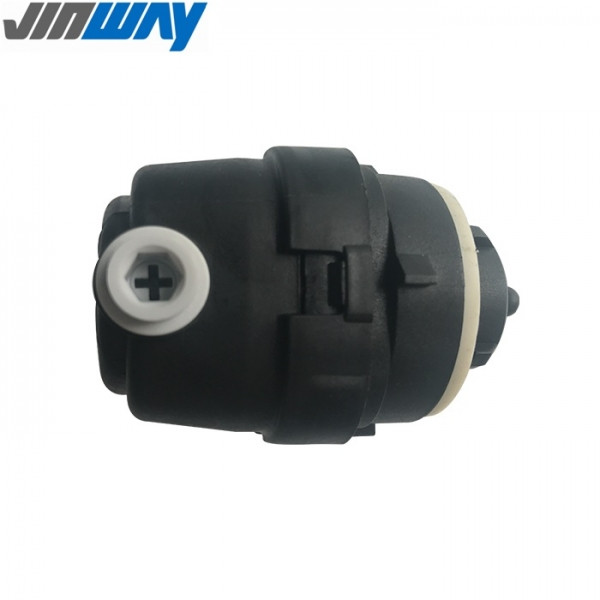
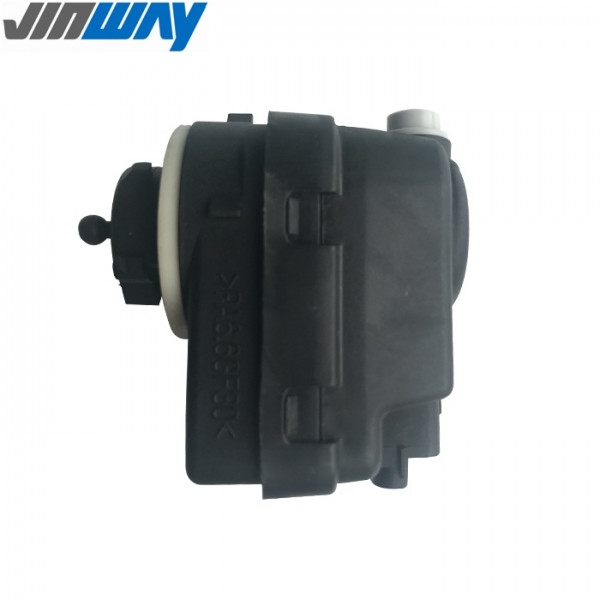
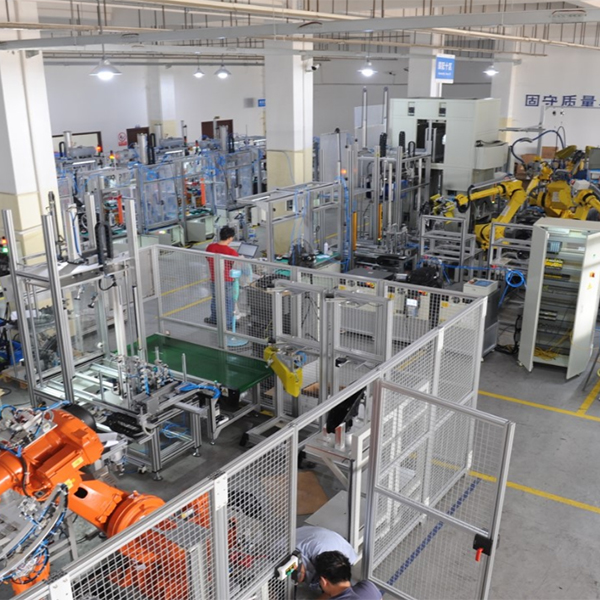
Leveling motors are critical components in modern automotive lighting systems, responsible for maintaining proper beam alignment under varying vehicle loads and driving conditions. While their performance is often associated with design and materials, the role of assembly line design is equally important. The way leveling motors are assembled, calibrated, and integrated into headlamp systems directly influences their accuracy, reliability, and long-term durability. One of the most important factors is precision assembly. Leveling motors operate within tight tolerances, often requiring micrometer-level positioning accuracy. If the assembly line lacks stability or precision, even slight misalignment during installation can affect motor performance. High-rigidity equipment, precise fixtures, and controlled assembly environments ensure that each motor is positioned correctly within the headlamp housing, maintaining accurate movement and beam control.
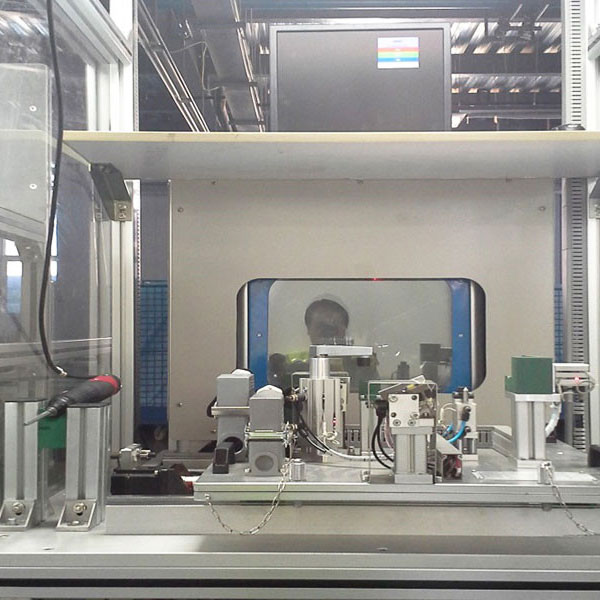
Alignment and calibration processes are also heavily influenced by assembly line design. Leveling motors must respond accurately to control signals and move within a defined range. Automated calibration stations integrated into the assembly line can verify motor travel, positioning accuracy, and response time. By incorporating these checks directly into production, manufacturers can ensure consistent performance across all units before they reach the customer. The handling of components during assembly is another critical aspect. Leveling motors contain delicate mechanical and electronic parts that can be affected by shocks, vibration, or improper handling. Assembly lines designed with smooth transfer systems, controlled motion, and protective fixtures minimize mechanical stress. This helps preserve internal component integrity and ensures reliable operation over time.
Electrical integration is equally important. Leveling motors must be properly connected to the vehicle’s control system, and poor electrical assembly can lead to signal loss or inconsistent operation. Assembly lines must include precise wiring processes, secure connector installation, and verification systems to ensure that all electrical connections meet required standards. Automated testing of electrical functionality further improves reliability. Process consistency is a major advantage of well-designed assembly lines. Automated systems reduce variability compared to manual assembly, ensuring that each leveling motor is installed under the same conditions. Consistent torque application, uniform fastening, and repeatable positioning all contribute to stable performance. This consistency is especially important in high-volume production where even small variations can lead to large numbers of defects.
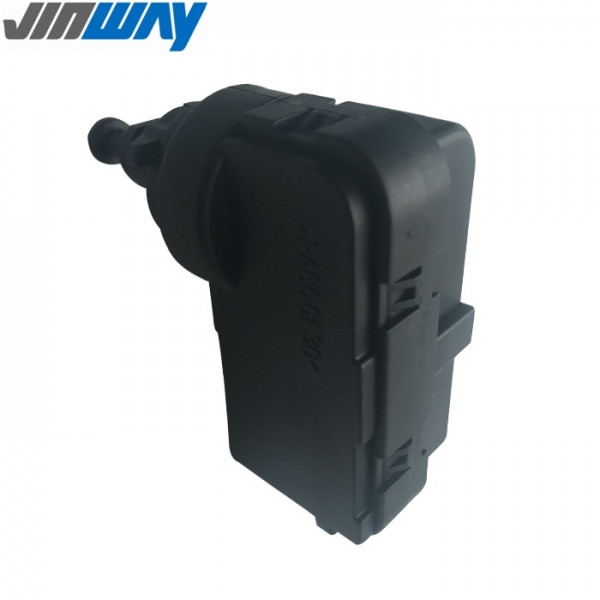
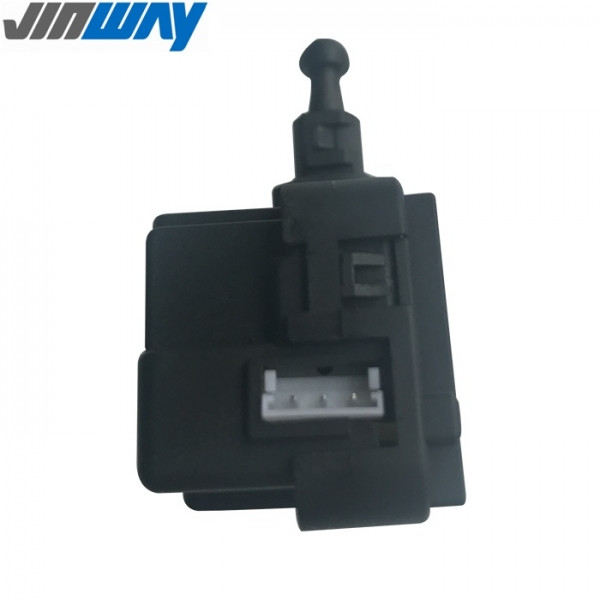
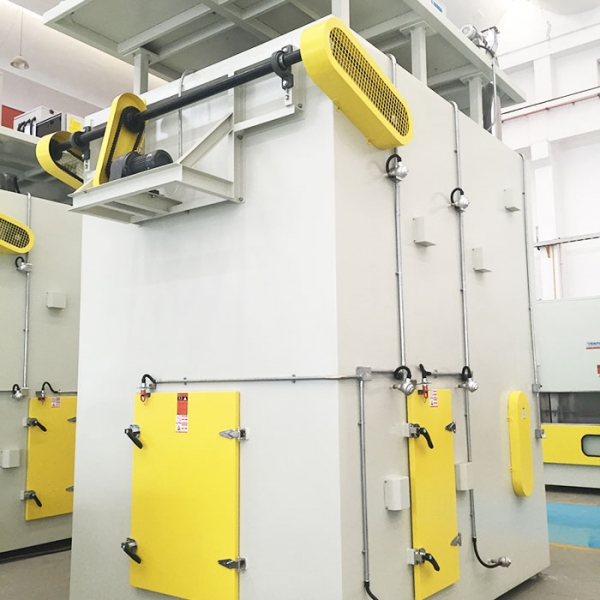
Environmental control within the assembly area also affects motor performance. Dust, humidity, and temperature variations can impact both mechanical and electronic components. Clean and controlled assembly environments help prevent contamination and ensure that sensitive parts are not exposed to conditions that could affect their function or lifespan. Testing and inspection integrated into the assembly line further enhance quality. Functional testing stations can simulate real operating conditions, verifying that the motor adjusts correctly and responds to input signals. These tests help identify defects early, reducing the risk of faulty products reaching the market and improving overall product reliability.
Assembly line flexibility is another important consideration. Different vehicle platforms may use different types of leveling motors with varying specifications. A flexible assembly line with adjustable fixtures and programmable systems can accommodate multiple motor designs without compromising precision. This adaptability supports efficient production across diverse OEM programs. Maintenance and equipment stability also play a role. Worn-out fixtures, misaligned tooling, or inconsistent machine performance can introduce errors into the assembly process. Regular maintenance and calibration of assembly equipment ensure that production conditions remain stable, preserving the quality of leveling motor installation.
Ultimately, assembly line design has a direct and significant impact on leveling motor performance. By focusing on precision, consistency, controlled handling, and integrated testing, manufacturers can ensure that leveling motors function accurately and reliably throughout their service life. In automotive lighting systems where safety and performance are critical, a well-designed assembly line is just as important as the component itself.