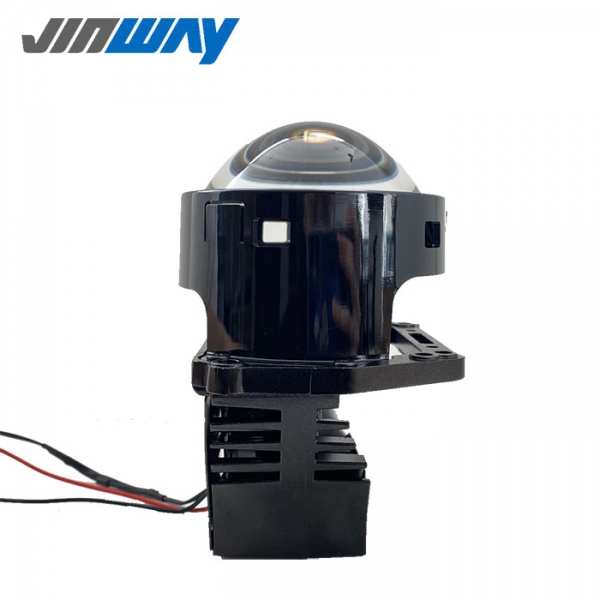
How do I plan an automotive headlight assembly line for multiple models?
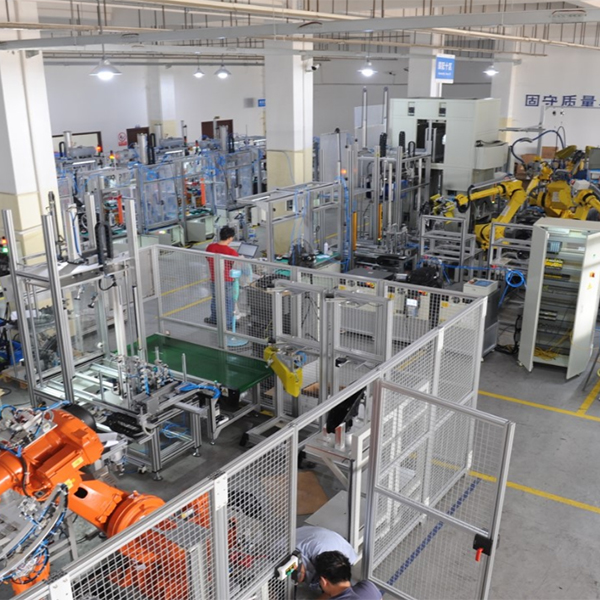
Planning an automotive headlight assembly line for multiple models requires more than simply adding machines. The line should be designed around product differences, production volume, process requirements, and future model changes.
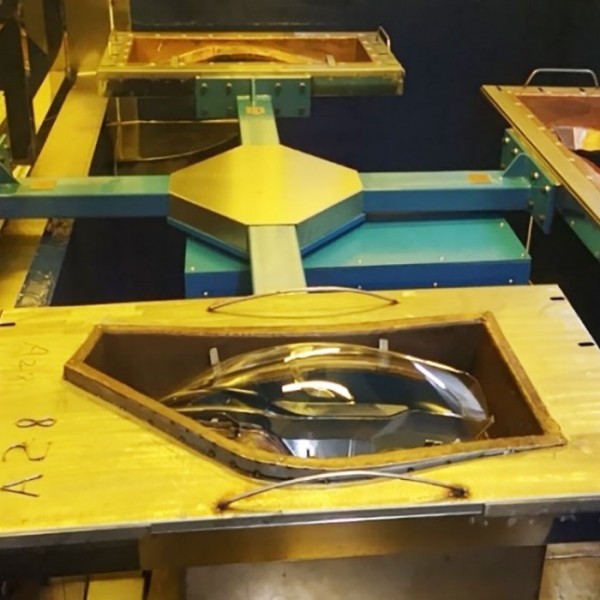
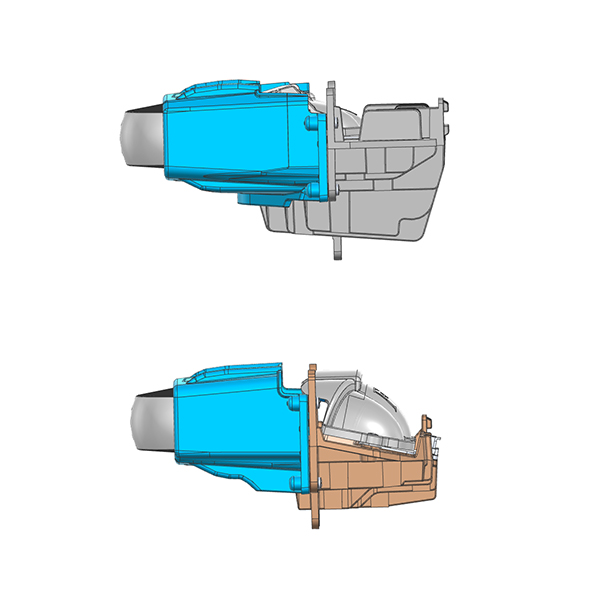
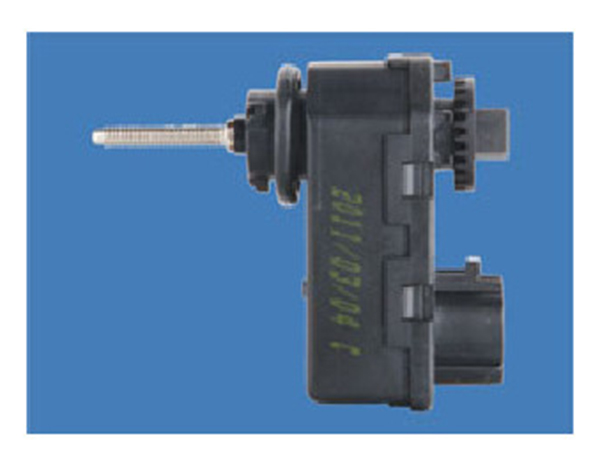
The first step is to map the assembly process for each headlamp model. Typical processes may include component feeding, lens and housing assembly, LED or projector installation, leveling motor installation, welding, sealing, functional testing, and final inspection. Identifying which processes are shared and which are model-specific helps determine the right line structure.
For multiple models, flexible tooling and quick-change fixtures are especially important. The assembly system should allow operators or automated equipment to switch between product variants without extensive downtime. Adjustable positioning and model-specific tooling can help maintain assembly accuracy across different headlamp designs.
Production volume should also be considered when selecting the level of automation. High-volume models may justify dedicated automated stations, while lower-volume or frequently changing models can benefit from flexible semi-automatic stations. A modular layout makes it easier to expand capacity as new headlamp models are introduced.
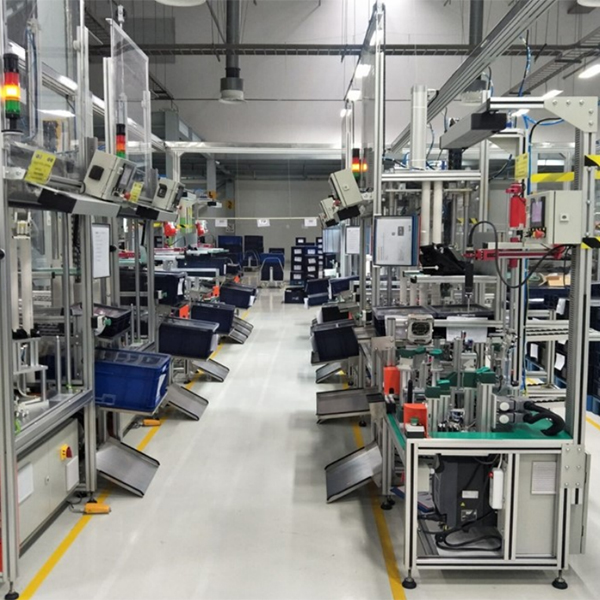
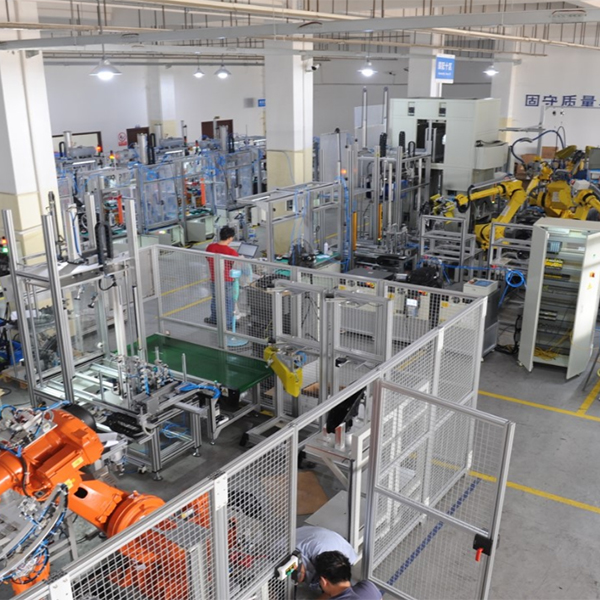
Testing should be integrated into the production process rather than treated as a separate final step. Depending on the product, an automotive headlight assembly line may include air leakage inspection, functional testing, optical or photometric testing, and other quality checks. Data collection at each key station can also help with traceability.
Jinway Technology provides automotive lighting assembly systems designed for OEM headlamp production. Its capabilities cover automated assembly, inline testing, welding, and related automotive lighting equipment, allowing the line configuration to be developed according to specific product and production requirements.
Before requesting a complete line proposal, manufacturers should prepare headlamp drawings, assembly processes, product variants, target cycle time, annual production volume, and testing requirements. This information allows the equipment supplier to determine the appropriate automation level, station layout, tooling, and changeover method.
A well-planned multi-model assembly line should balance automation, flexibility, production efficiency, and quality control. Designing the system around both current and future headlamp models can reduce equipment changes and make production easier to scale.