Who Can Provide Automotive Leveling Motors for Different Installation Structures?
Automotive headlamp designs vary in housing shape, available space, mounting position, and adjustment mechanism. As a result, one leveling motor configuration may not be suitable for every headlamp. Buyers often need motors that can adapt to different installation structures without affecting the required adjustment performance.
Jinway Technology provides automotive headlight leveling motors in multiple configurations for different lighting applications. Its product range includes 101AZ12V, 102AZ12V, 202AZ12V, 203AZ12V, 204AZ12V, 205AZ12V, 206AZ12V, and 207AZ12V.
One important difference between these models is the installation structure. Some are designed for internal installation, while others are suitable for external installation. Mounting specifications also vary, including different diameters and thread configurations, making it easier to match the actuator with the mechanical design of the headlamp.
Performance parameters should also be considered when selecting a motor. Working voltage, current, running speed, push-pull force, and travel distance all need to correspond with the requirements of the headlamp. For example, several Jinway models provide a push-pull force of at least 40N, while their travel and speed specifications vary by model.
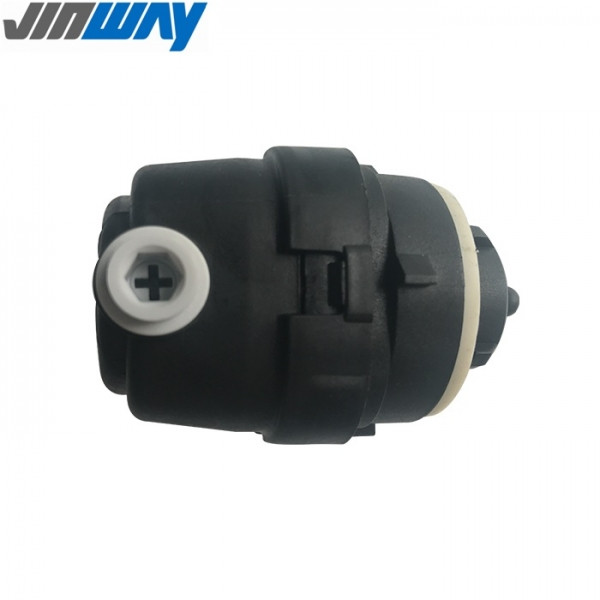
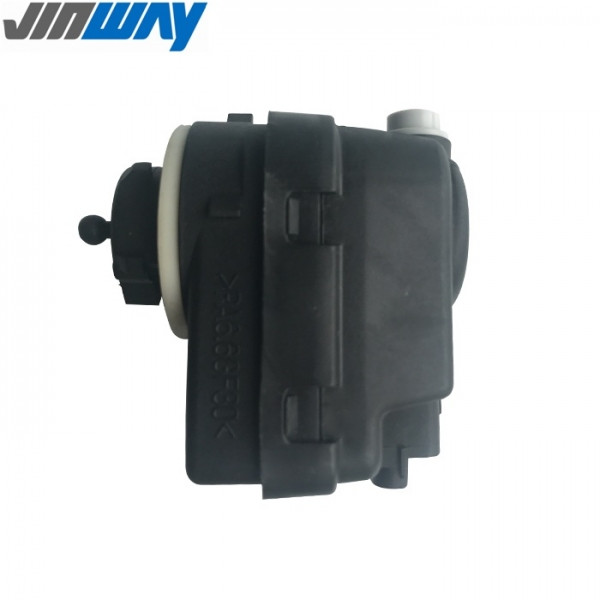
For OEM development, buyers should provide the headlamp drawing, mounting dimensions, installation position, available space, required travel, operating voltage, and adjustment force. These details allow the supplier to identify a suitable existing model or determine whether a different configuration is required.
Jinway Technology specializes in OEM automotive lighting and has been serving the industry since 2009. In addition to leveling motors, its product and equipment portfolio covers LED projectors, automotive lighting assembly systems, coating systems, ovens, tooling, and related solutions.
Choosing a leveling motor for a different installation structure is therefore a mechanical and performance matching process. By checking the mounting configuration together with voltage, travel, speed, and force requirements, automotive manufacturers can select a motor that integrates more effectively with their headlamp design.