Designing Assembly Lines for High-Precision Optical Components
High-precision optical components are at the core of modern automotive lighting systems. Projector lenses, reflectors, light guides, and optical modules all require exceptional accuracy to achieve proper beam distribution, brightness, and visual consistency. Designing assembly lines for these components is far more demanding than conventional manufacturing because even microscopic deviations can affect final lighting performance. To ensure quality and efficiency, assembly lines must be engineered with precision, stability, and intelligent process control in mind. One of the most important considerations in optical component assembly is positioning accuracy. Optical elements must be aligned within extremely tight tolerances to maintain the intended beam pattern and optical efficiency. Assembly lines therefore require high-rigidity structures, precision motion systems, and advanced servo controls capable of repeatable micro-level positioning. Even slight vibration or misalignment during assembly can compromise optical performance.
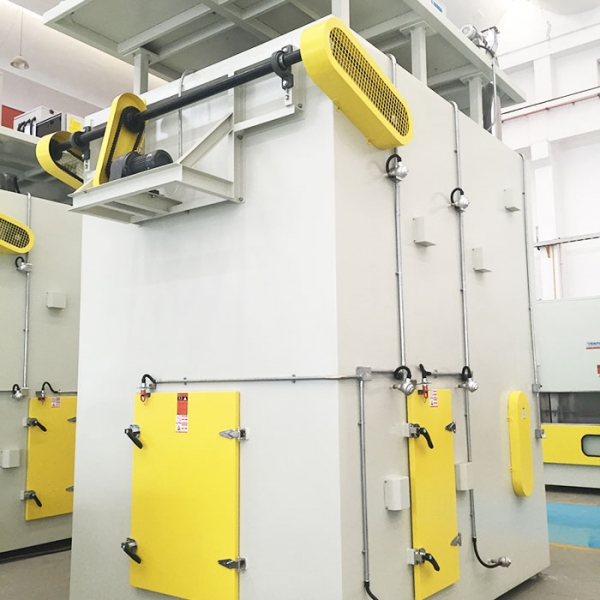
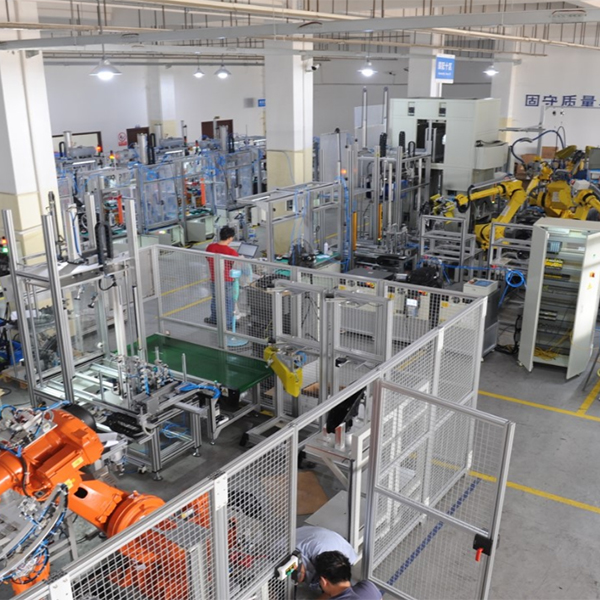
Environmental control is another critical factor. Dust particles, humidity fluctuations, and temperature changes can all affect optical surfaces and assembly precision. Cleanroom-style environments are often integrated into optical assembly lines to minimize contamination. Controlled airflow systems, anti-static measures, and stable temperature conditions help protect sensitive components and maintain consistent manufacturing quality. Automation plays a major role in achieving repeatability and efficiency. Robotic handling systems are widely used to transfer and position delicate optical components without causing scratches or deformation. Unlike manual handling, automated systems provide consistent motion and controlled force application, reducing the risk of damage. Precision grippers and vacuum handling tools are often designed specifically for fragile optical materials.
Fixture design is equally important in maintaining component stability during assembly. Fixtures must securely hold parts without introducing stress or distortion that could affect optical accuracy. Adjustable and modular fixtures are often used to accommodate different lens shapes and component sizes, supporting flexible production across multiple vehicle programs. Adhesive dispensing and bonding processes require exceptional precision in optical assembly lines. Excess adhesive, uneven application, or contamination can distort light transmission and reduce product quality. Automated dispensing systems with real-time monitoring ensure accurate bead placement and consistent volume control. Integrated curing systems further ensure that bonding materials achieve proper strength without affecting optical alignment.

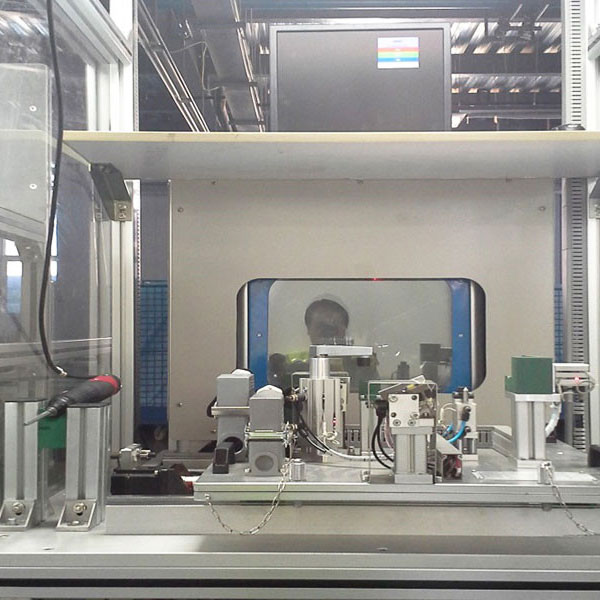
Inspection systems are deeply integrated into modern optical assembly lines. Vision systems, laser measurement tools, and photometric testing equipment verify alignment accuracy, surface quality, and optical performance throughout the process. Inline inspection allows manufacturers to identify deviations immediately rather than waiting until final testing. This reduces scrap rates and ensures stable production quality. Another key aspect is vibration control. High-precision optical assembly requires extremely stable operating conditions. Equipment foundations, anti-vibration mounts, and controlled machine movement help minimize mechanical disturbances. Stable production environments ensure that positioning systems and inspection equipment maintain their accuracy over long production cycles.
Digital integration and smart manufacturing technologies further enhance assembly line performance. Production data from robots, sensors, and inspection systems can be collected and analyzed in real time. This enables predictive maintenance, process optimization, and rapid troubleshooting. By connecting all stages of production through centralized monitoring systems, manufacturers can improve efficiency while maintaining tight quality control. Flexibility is becoming increasingly important as automotive lighting designs evolve rapidly. Assembly lines must support different optical components, new materials, and changing product architectures without extensive reconstruction. Modular line designs, programmable automation, and quick-change tooling allow manufacturers to adapt quickly to new OEM requirements while maintaining high precision standards.
Ultimately, designing assembly lines for high-precision optical components requires a balance between mechanical accuracy, environmental control, automation, and intelligent quality management. Every aspect of the production system must work together to preserve optical integrity and ensure reliable performance. In the highly competitive automotive lighting industry, precision assembly line design is essential for delivering advanced lighting products that meet modern safety, regulatory, and aesthetic expectations.