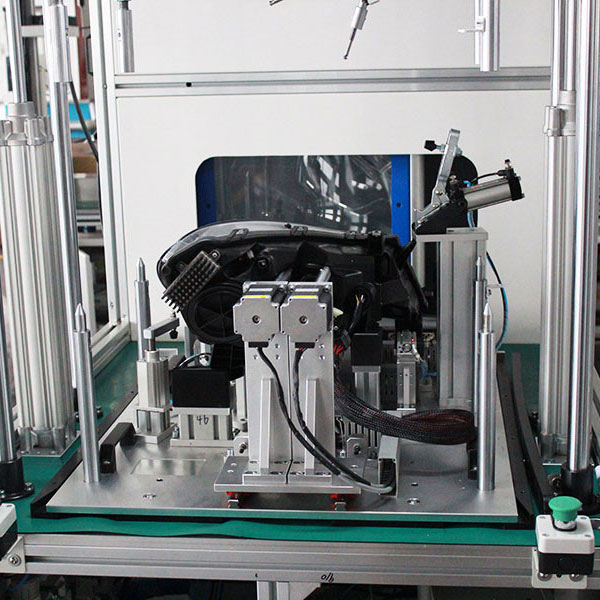
Exporting Automotive Equipment: Challenges and Best Practices
Exporting automotive equipment is a complex process that goes far beyond manufacturing and shipment. For companies involved in supplying equipment such as assembly lines, coating systems, and testing machines, success in international markets depends on the ability to navigate technical standards, logistics, communication barriers, and long-term service expectations. Understanding the challenges and applying best practices is essential to building a strong global presence. One of the primary challenges in exporting automotive equipment is compliance with different regional standards and regulations. Each market may have its own requirements related to safety, electrical systems, environmental protection, and certification. Equipment that works perfectly in one country may require modification to meet the standards of another. Exporters must ensure that their designs align with international certifications and local regulations before shipment to avoid costly delays or rework.
Logistics and transportation present another major challenge. Automotive equipment is often large, heavy, and complex, requiring careful packaging, handling, and shipping arrangements. Improper packing can lead to damage during transit, especially for precision components. Exporters must design protective packaging, consider shock and vibration resistance, and plan efficient loading strategies to ensure equipment arrives in perfect condition. Installation and commissioning in overseas locations can also be demanding. Differences in factory layouts, power supply systems, and local infrastructure may require adjustments during setup. Without proper planning, installation can take longer than expected, affecting the customer’s production schedule. Clear documentation, pre-shipment testing, and remote support tools help reduce these risks and ensure smoother commissioning.
Communication barriers are another common issue. Language differences, time zones, and cultural variations can lead to misunderstandings during project execution. Effective exporters establish clear communication channels, provide multilingual documentation, and maintain regular updates with customers. Strong project management and transparency are key to building trust with international clients. After-sales service is often the most critical factor in export success. Automotive equipment operates continuously, and any downtime can significantly impact production. Overseas customers expect quick technical support, spare parts availability, and efficient troubleshooting. Exporters must develop reliable service networks, offer remote diagnostics, and ensure that support teams can respond quickly regardless of location.
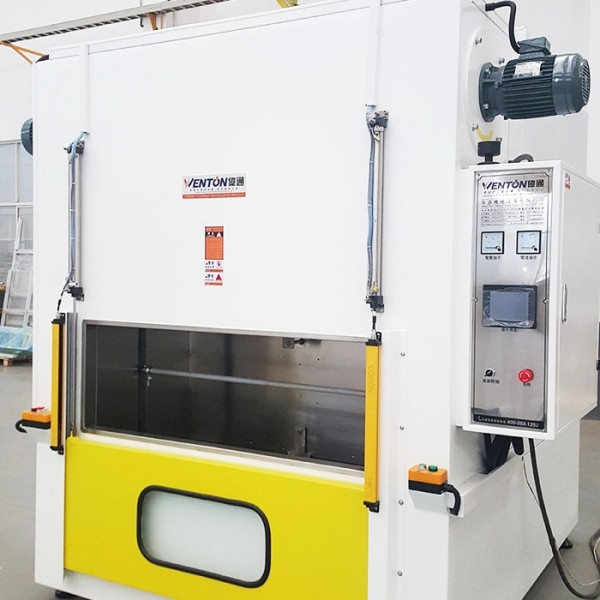
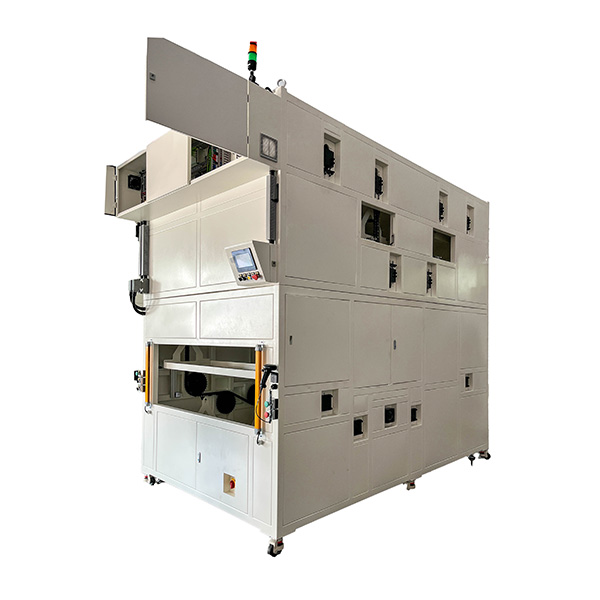
Customization is both a challenge and an opportunity. Different customers may require specific configurations, automation levels, or integration with existing systems. Exporters must balance standardization with flexibility, offering modular solutions that can be adapted to various requirements without excessive cost or complexity. This approach allows companies to serve diverse markets while maintaining efficiency. To overcome these challenges, several best practices have proven effective. First, investing in standardized yet modular equipment design helps simplify customization and reduce engineering time. Second, conducting thorough pre-shipment testing ensures that equipment performs as expected before it leaves the factory. Third, providing detailed installation manuals, training programs, and virtual support tools helps customers handle setup and operation more confidently.
Digital technologies are also playing an increasing role in export operations. Remote monitoring systems, online diagnostics, and data-sharing platforms allow manufacturers to support customers from anywhere in the world. These tools reduce response time, improve problem resolution, and enhance overall customer satisfaction. Building long-term partnerships is another key best practice. Exporting automotive equipment is not a one-time transaction but an ongoing relationship. By maintaining consistent communication, offering continuous support, and understanding customer needs, exporters can strengthen trust and secure repeat business in global markets.
Ultimately, exporting automotive equipment requires a combination of technical excellence, strong logistics planning, effective communication, and reliable service. Companies that master these elements can overcome international challenges and establish themselves as trusted partners in the global automotive industry.