Human Expertise vs. Automation: Where Engineering Still Matters
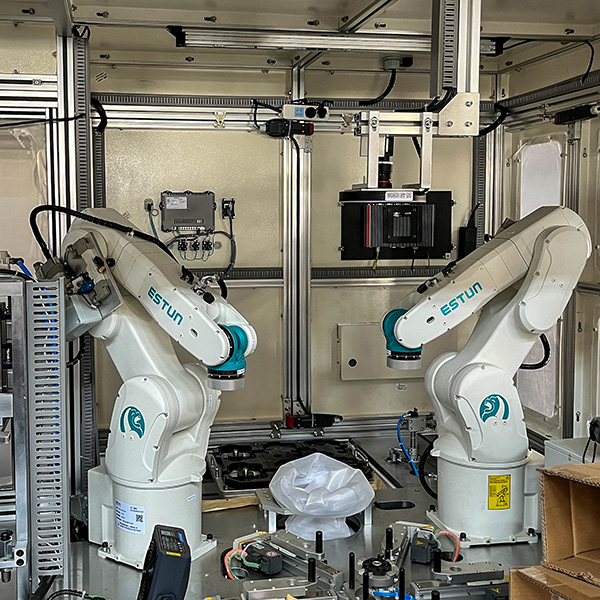
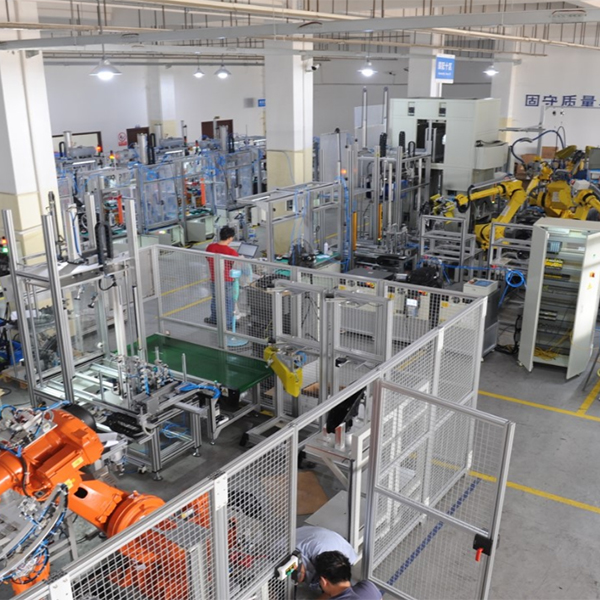
Automation has transformed automotive lighting manufacturing, enabling higher speeds, greater consistency, and improved efficiency. From robotic assembly lines to automated dispensing and smart inspection systems, machines now handle many tasks that once relied entirely on human labor. However, despite these advancements, human expertise remains a critical element in engineering and production. The balance between automation and human intelligence defines the success of modern manufacturing systems. Automation excels in repeatability and precision. Tasks such as adhesive dispensing, lens placement, and coating application require consistent execution across thousands or millions of units. Machines can perform these operations with minimal variation, reducing errors and improving product quality. In high-volume automotive lighting production, this level of consistency is essential to meet strict OEM standards and regulatory requirements.
However, automation is only as effective as the system behind it. Engineers play a vital role in designing, programming, and optimizing these automated processes. Decisions about process parameters, machine configuration, and workflow integration require deep technical understanding. Without skilled engineers, even the most advanced equipment cannot achieve optimal performance. Human expertise ensures that automation is applied correctly and efficiently. Problem-solving is one area where human capability remains irreplaceable. Production environments are dynamic, and unexpected issues can arise from material variation, equipment wear, or environmental changes. While automated systems can detect deviations, interpreting the root cause and implementing effective solutions often requires human judgment. Engineers analyze data, apply experience, and make informed decisions that go beyond predefined algorithms. Product development is another domain where human expertise is essential. Automotive lighting systems are becoming more complex, incorporating advanced optics, electronics, and design features. Engineers must collaborate with OEM customers to develop manufacturable solutions that meet performance, cost, and aesthetic requirements. This creative and analytical process cannot be fully automated, as it involves innovation, trade-offs, and strategic thinking.
Flexibility is also driven by human input. While automation can handle predefined tasks efficiently, adapting to new product designs or changing requirements often requires reprogramming, reconfiguration, and process redesign. Engineers evaluate how to modify equipment, adjust parameters, and ensure that new products can be produced without compromising quality or efficiency. Quality control benefits from both automation and human oversight. Vision systems and sensors can detect defects quickly and accurately, but engineers must define inspection criteria, interpret complex data patterns, and decide on corrective actions. Human involvement ensures that quality standards remain aligned with customer expectations and regulatory requirements.
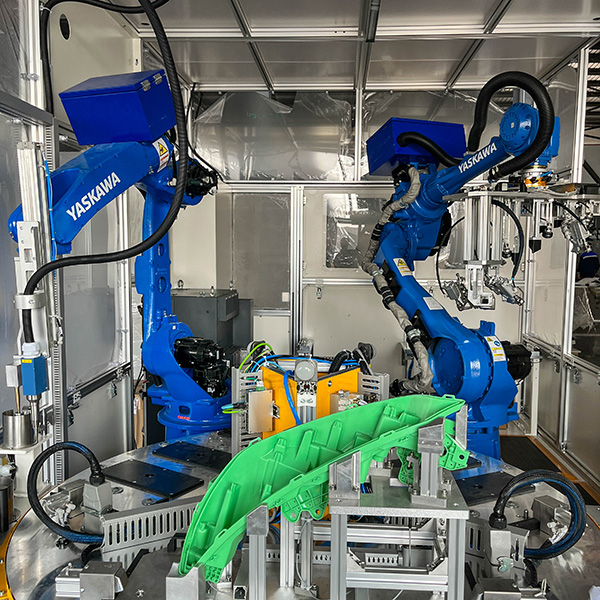
Maintenance and continuous improvement further highlight the importance of human expertise. Automated systems require regular calibration, maintenance, and upgrades to maintain performance. Engineers monitor equipment health, analyze production data, and implement improvements that enhance efficiency and reduce downtime. This proactive approach keeps production lines running smoothly and extends equipment lifespan. Communication and collaboration are also areas where human skills are essential. Working with OEM customers, suppliers, and internal teams requires clear communication, project management, and coordination. Engineers act as a bridge between technical systems and business objectives, ensuring that production aligns with overall project goals.
Ultimately, automation and human expertise are not competing forces but complementary elements of modern manufacturing. Automation delivers speed, precision, and consistency, while human engineers provide creativity, problem-solving, and strategic direction. Together, they create a balanced system capable of meeting the complex demands of automotive lighting production. As technology continues to advance, the role of engineers will evolve rather than diminish. Their focus will shift toward system integration, data analysis, and innovation, ensuring that automation continues to deliver value. In this partnership between humans and machines, engineering expertise remains the driving force behind quality, efficiency, and continuous progress.