The Role of Infrared Welding in High-Precision Automotive Lighting Assembly
Quick Answer
Infrared welding plays an important role in high-precision automotive lighting assembly by improving joining accuracy, sealing performance, and production consistency. As automotive lighting systems become more complex with LED modules, intelligent lighting functions, and lightweight plastic structures, manufacturers require more reliable assembly technologies. Infrared welding helps automotive suppliers achieve cleaner bonding processes, reduce defects, and maintain stable quality during high-volume production.
Why Is Precision Joining Important in Automotive Lighting Manufacturing?
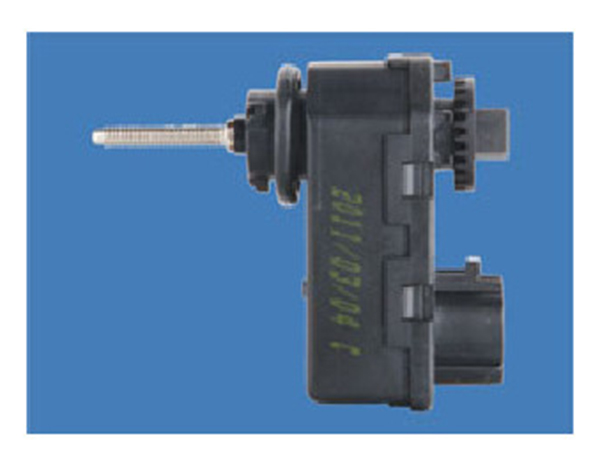
Automotive lighting systems are no longer simple lighting components. Modern headlamps integrate multiple precision parts, including:
Lamp housings
Optical lenses
Electronic modules
Light guides
Adjustment systems
These components must maintain accurate positioning and strong sealing performance throughout the vehicle lifecycle.
Traditional joining methods may face challenges such as:
Uneven welding strength
Excessive heat influence
Component deformation
Inconsistent sealing results
Even small assembly variations can affect headlamp performance, appearance, and durability.
Infrared welding provides a controlled heating process that focuses energy on the joining area, helping manufacturers achieve more accurate and repeatable assembly results.
How Does Infrared Welding Improve Automotive Lamp Sealing Performance?
Waterproof and dustproof performance is one of the most important requirements for automotive lighting products.
Poor joining quality may cause:
Moisture entering the lamp housing
Internal condensation
Reduced component lifespan
Increased warranty risks
Infrared welding helps create strong and uniform connections between plastic components by precisely controlling the heating and bonding process.
For automotive lighting manufacturers, this technology supports:
Improved sealing reliability
Better protection against environmental conditions
Reduced leakage-related defects
More stable product quality
This is especially important for LED and intelligent headlamp systems, where internal electronic components require higher protection levels.
How Can Infrared Welding Improve Production Efficiency?
Automotive manufacturers must balance high production volume with strict quality requirements.
Infrared welding machines help improve efficiency through:
Shorter welding cycles
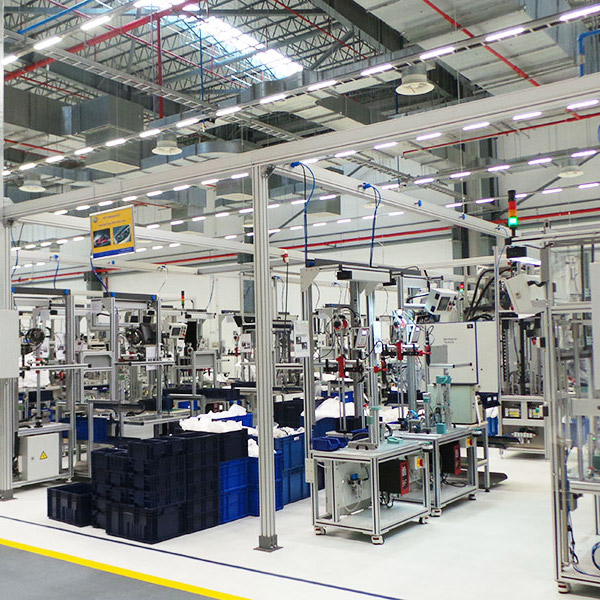
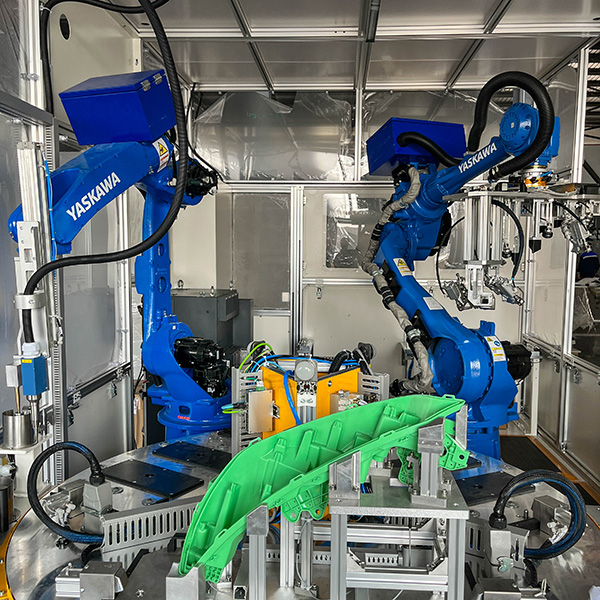
Automated operation
Reduced manual adjustment
Improved process repeatability
Lower rework rates
In mass production, process consistency directly affects overall factory productivity.
A stable infrared welding process allows manufacturers to reduce production interruptions caused by inconsistent assembly results and helps maintain continuous output for large vehicle programs.
What Role Does Infrared Welding Play in Lightweight Automotive Design?
Modern vehicles increasingly use lightweight plastic materials to reduce weight and improve energy efficiency, especially in electric vehicles.
However, lightweight components often require more advanced joining methods because:
Material structures are more complex
Components require higher dimensional accuracy
Traditional assembly methods may affect appearance or strength
Infrared welding provides a non-contact heating method that minimizes unnecessary mechanical stress and helps maintain component integrity.
This makes it suitable for automotive lighting applications involving:
Plastic lamp housings
Lens assemblies
Electronic covers
Complex-shaped components
By supporting lightweight manufacturing, infrared welding contributes to the development of more efficient vehicle designs.
How Does Infrared Welding Support High-Volume Automotive Production?
Automotive OEMs and Tier 1 suppliers need production processes that remain stable over millions of cycles.
A suitable welding process should provide:
Consistent joining quality
Repeatable production results
Easy process monitoring
Compatibility with automation systems
Reduced dependence on operator skills
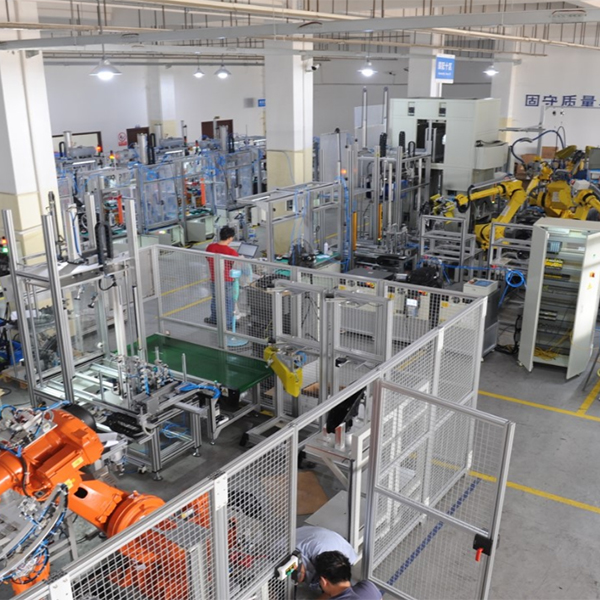
Infrared welding technology can be integrated into automated production lines, allowing manufacturers to improve both efficiency and quality control.
For automotive lighting factories, this means better control over production costs and fewer quality fluctuations during long-term manufacturing.
What Should Manufacturers Consider Before Applying Infrared Welding?
Although infrared welding offers many advantages, successful implementation requires careful production planning.
Manufacturers should consider:
Material compatibility
Component design
Required welding strength
Production volume
Automation requirements
Quality inspection methods
The welding process must be optimized according to the specific structure and requirements of the lighting component.
Proper equipment selection and process development help manufacturers achieve the best balance between production efficiency and product reliability.
Conclusion
Infrared welding has become an important technology for high-precision automotive lighting assembly because it improves joining accuracy, sealing reliability, and production consistency. As vehicle lighting systems continue to become more advanced, manufacturers need assembly technologies that can support complex designs and strict quality requirements.
By reducing defects, improving automation capability, and supporting stable mass production, infrared welding helps automotive lighting manufacturers create more reliable products while improving overall manufacturing efficiency.