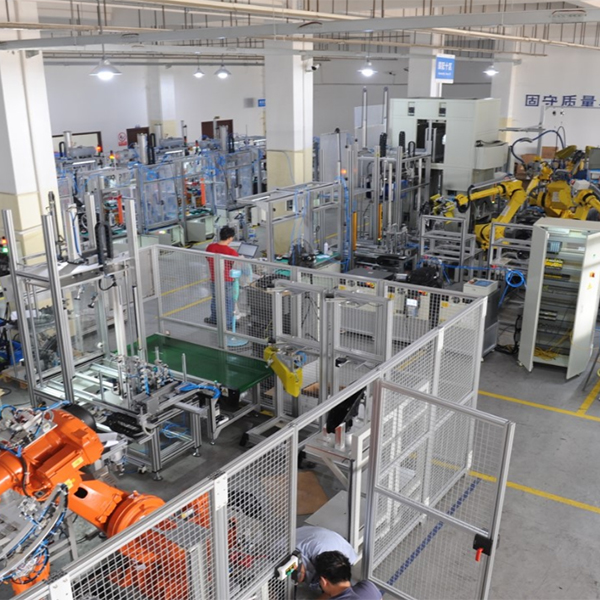
Engineering Lighting Production Lines for EV and Hybrid Platforms
The rapid growth of electric and hybrid vehicles is reshaping the automotive industry, and lighting systems are evolving alongside this transformation. EVs and hybrid platforms introduce new design priorities such as energy efficiency, compact architecture, advanced electronics, and distinctive styling. These changes place new demands on manufacturing, requiring lighting production lines to be re-engineered for higher precision, flexibility, and integration. Designing production systems for EV and hybrid lighting is no longer just an upgrade—it is a fundamental shift in manufacturing strategy. One of the key differences in EV lighting lies in the integration of advanced LED and intelligent lighting systems. EVs often feature signature light designs, full-width light bars, and adaptive beam technologies. This increases the complexity of assembly processes, as more electronic components, sensors, and control modules must be integrated into each lamp. Production lines must support precise placement, secure connections, and reliable protection of sensitive electronics throughout the assembly process.
Compact vehicle architecture in EVs also influences lighting production. With batteries occupying significant space, vehicle designers often reduce available room for traditional components. Lighting systems must therefore be more compact and efficiently designed. Production equipment must handle smaller, more intricate components while maintaining tight tolerances. Precision tooling, robotic assembly, and micro-alignment systems become essential for ensuring accuracy in limited spaces. Thermal management is another critical consideration. High-performance LEDs used in EV lighting generate concentrated heat, which can affect both optical performance and component lifespan. Production lines must incorporate processes that support thermal stability, such as controlled curing environments, heat-resistant materials, and careful assembly sequences that prevent thermal stress. Equipment design must ensure that manufacturing steps do not introduce additional heat-related defects.
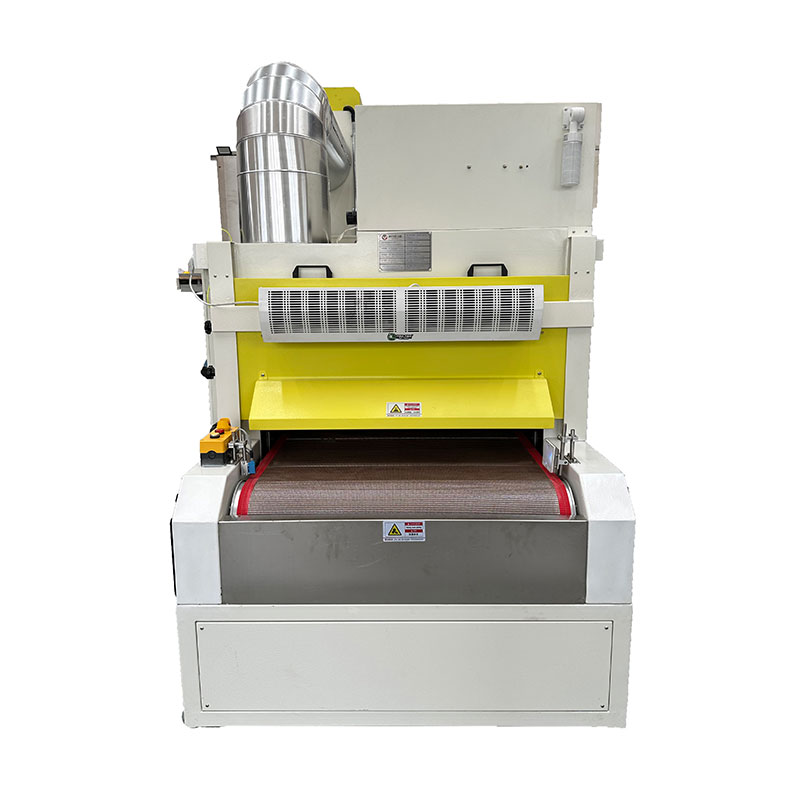
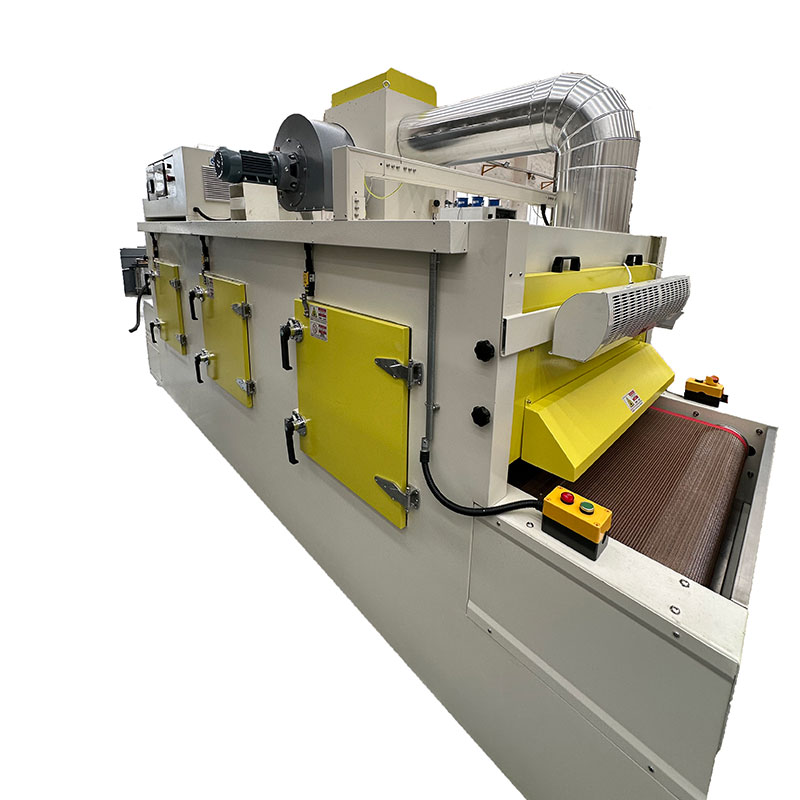
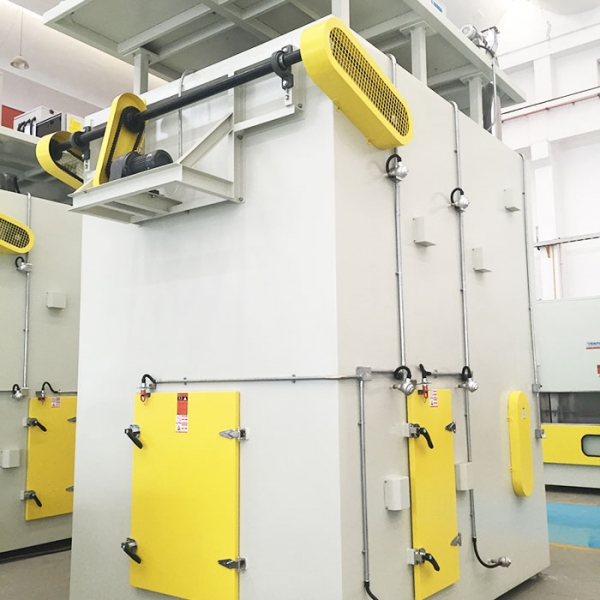
Energy efficiency, a core principle of EV design, extends into manufacturing as well. OEMs expect production systems to minimize energy consumption while maintaining output. This has driven the adoption of LED-based UV curing, energy-efficient conveyors, and smart control systems that adjust power usage based on production demand. Engineering lighting production lines with energy optimization in mind helps align manufacturing with the sustainability goals of EV programs. Flexibility is especially important for EV and hybrid platforms, where designs evolve rapidly and customization is common. Modular production lines allow manufacturers to adapt to new models, lighting configurations, and technology updates without major reconfiguration. Quick-change tooling, programmable automation, and digital process control enable smooth transitions between different product types, supporting multi-platform production within the same facility.
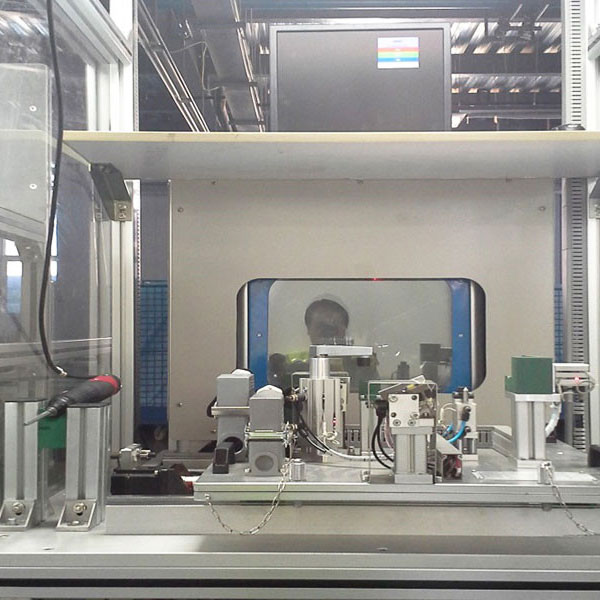
Advanced inspection and testing systems are also essential. EV lighting often includes complex optical patterns and dynamic functions such as adaptive beams and animation sequences. Production lines must integrate photometric testing, electronic validation, and functional checks to ensure that every unit meets performance standards. Real-time inspection helps detect issues early and maintain consistent quality across high production volumes. Data integration and smart manufacturing technologies play a significant role in supporting EV lighting production. Connected systems collect data from each stage of the process, enabling monitoring, analysis, and optimization. Predictive maintenance reduces downtime, while traceability systems ensure that each component can be tracked throughout its lifecycle. These capabilities are critical for meeting the high reliability standards expected in EV applications.
Sealing and protection processes must also be enhanced. EV lighting systems often include more electronics, making them more sensitive to moisture and environmental exposure. Precision dispensing, controlled curing, and leak testing systems ensure that each lamp is properly sealed and capable of withstanding harsh operating conditions over time. Ultimately, engineering lighting production lines for EV and hybrid platforms requires a holistic approach. Manufacturers must combine precision engineering, advanced automation, energy-efficient technologies, and flexible system design to meet the demands of next-generation vehicles. As EV adoption continues to accelerate, production lines that can support innovation while maintaining efficiency and quality will define the future of automotive lighting manufacturing.