Key Design Principles for High-Efficiency Coating Lines
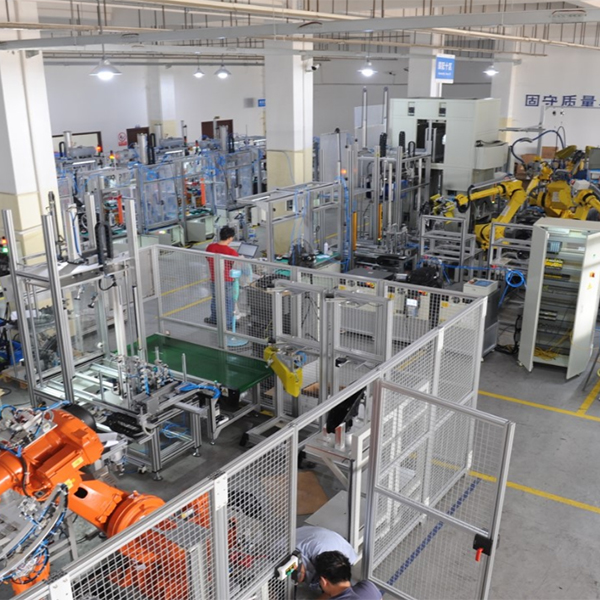
High-efficiency coating lines are essential in automotive lighting production, where surface quality, durability, and throughput must all meet demanding OEM standards. Whether applying UV hard coatings, anti-fog layers, or decorative finishes, the design of the coating line directly impacts productivity, energy consumption, and final product performance. Achieving high efficiency requires more than speed—it depends on precision, flexibility, and intelligent system integration. One of the most important design principles is process flow optimization. A well-designed coating line ensures a smooth and continuous sequence from pre-treatment to coating, curing, and inspection. Eliminating unnecessary transfers or delays between stages reduces cycle time and minimizes the risk of contamination. A linear or modular flow layout allows components to move efficiently while maintaining consistent environmental conditions throughout the process.
Precision in coating application is another critical factor. High-efficiency lines rely on advanced spray or dispensing systems that can deliver uniform coating thickness with minimal material waste. Robotic applicators with programmable paths ensure consistent coverage across complex geometries. By optimizing spray parameters such as pressure, flow rate, and nozzle design, manufacturers can achieve high-quality finishes while reducing overspray and material consumption. Flexibility is essential for supporting multiple product types. Automotive lighting components vary in size, shape, and coating requirements. Designing coating lines with adjustable fixtures, quick-change tooling, and programmable control systems allows rapid switching between models. This reduces downtime and supports multi-platform production without compromising efficiency.
Curing system design plays a central role in overall line performance. Traditional thermal curing can be energy-intensive and time-consuming, while modern UV curing—especially LED UV technology—offers faster processing and lower energy consumption. High-efficiency coating lines integrate curing systems that match the coating material while optimizing exposure time and energy use. Adjustable curing zones and synchronized conveyor speeds ensure consistent results for different products. Environmental control is another key principle. Coating quality is highly sensitive to temperature, humidity, and air cleanliness. High-efficiency lines incorporate controlled environments with proper filtration and airflow management to prevent dust contamination and ensure consistent coating adhesion. Stable environmental conditions reduce defects and improve first-pass yield.
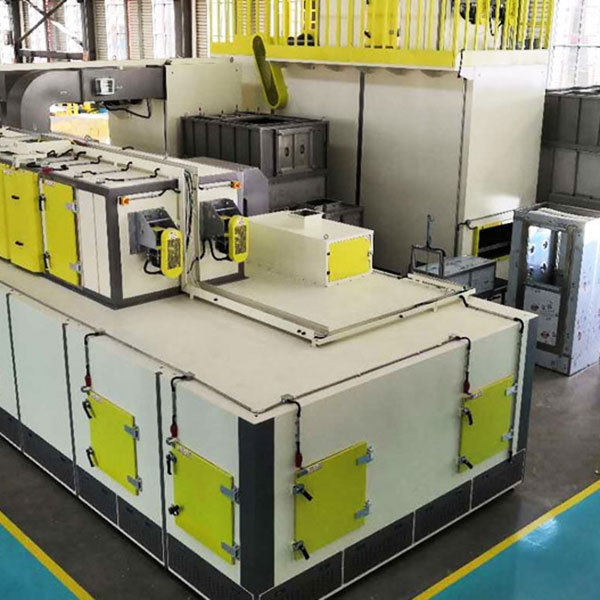
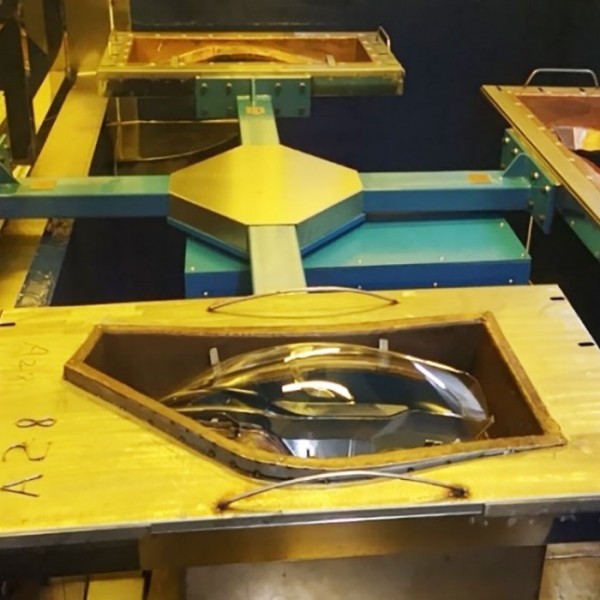
Automation and synchronization are fundamental to efficiency. Integrated control systems coordinate all stages of the coating process, from part handling to curing and inspection. By synchronizing equipment operation, manufacturers can maintain steady production flow and avoid bottlenecks. Automation also reduces human error and ensures repeatable results across large production volumes. Energy efficiency must be considered in every aspect of design. Efficient motors, optimized airflow systems, and energy-saving curing technologies help reduce overall power consumption. Smart systems can adjust energy use based on production demand, such as lowering power during idle periods or scaling output according to part requirements. This not only reduces costs but also supports sustainability goals.
Integrated inspection systems further enhance efficiency by ensuring quality in real time. In-line inspection tools can detect coating defects, thickness variations, or surface imperfections immediately after application or curing. Early detection prevents defective parts from moving forward in the process, reducing rework and material waste. Ease of maintenance is another important consideration. Equipment should be designed for quick access to critical components such as spray nozzles, filters, and curing units. Simplified maintenance reduces downtime and ensures that the line operates at optimal performance. Standardized components and modular design also make it easier to upgrade or expand the system in the future.
Finally, data integration and monitoring provide a foundation for continuous improvement. High-efficiency coating lines collect real-time data on process parameters, equipment performance, and product quality. This information allows engineers to identify inefficiencies, optimize settings, and implement predictive maintenance strategies. In summary, designing high-efficiency coating lines requires a balanced approach that combines precision engineering, flexible design, energy optimization, and intelligent automation. By focusing on these key principles, manufacturers can achieve consistent coating quality, reduced operational costs, and improved productivity—meeting the evolving demands of the automotive lighting industry.