Combining Visual and Functional Testing for Better Quality Assurance
In automotive lighting production, quality assurance must go beyond surface-level inspection. Headlamps and lighting components are not only judged by how they look but by how they perform under real operating conditions. Relying solely on visual inspection or functional testing alone can leave gaps in quality control. Combining both visual and functional testing creates a comprehensive approach that ensures each product meets strict OEM standards for appearance, performance, and reliability. Visual testing focuses on detecting surface defects, assembly errors, and cosmetic inconsistencies. Scratches, dust contamination, coating imperfections, and misaligned components can all affect the appearance and perceived quality of a lighting product. Advanced vision systems equipped with high-resolution cameras and image-processing software can identify even microscopic defects at high speed. Automated visual inspection ensures consistency and eliminates the subjectivity associated with manual checks.
However, a product that looks perfect may still fail to perform correctly. Functional testing addresses this by verifying that each component operates as intended. In automotive lighting, this includes checking beam patterns, light intensity, electrical performance, motor response, and sealing integrity. Functional tests simulate real operating conditions to ensure that the product delivers the required performance on the road. Combining visual and functional testing provides a more complete quality evaluation. For example, a lens with a minor surface defect may not affect appearance significantly but could distort light distribution. Similarly, a properly assembled unit may pass functional tests but still have cosmetic flaws that do not meet OEM standards. By integrating both inspection methods, manufacturers can identify issues that might otherwise go unnoticed.
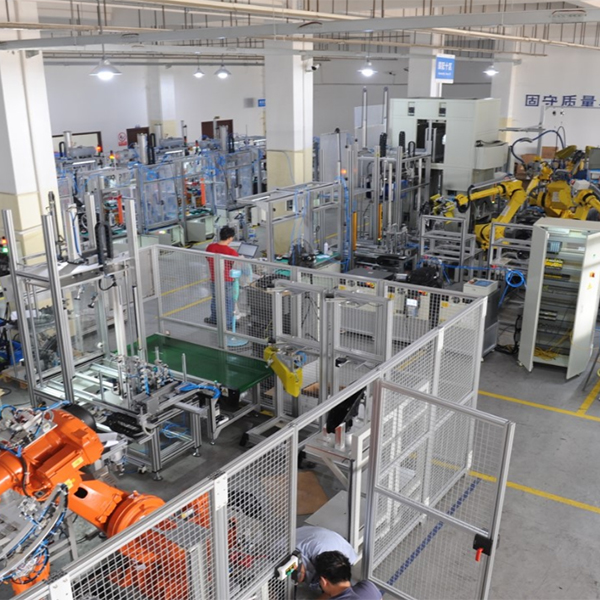
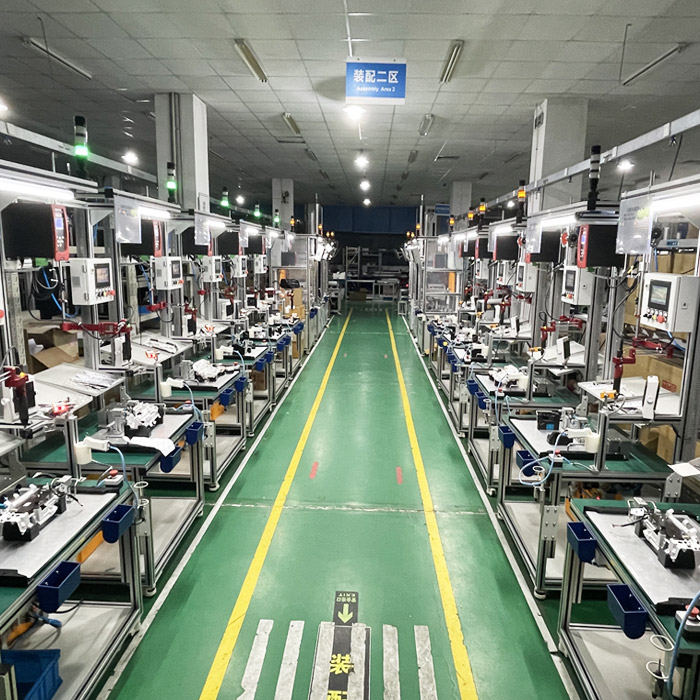
Integration of these testing methods into the production line further enhances efficiency. Inline visual inspection can be placed immediately after key processes such as coating or assembly to detect defects early. Functional testing can follow at later stages to validate overall performance. This staged approach ensures that problems are identified and corrected before additional value is added, reducing rework and scrap. Automation plays a key role in combining these testing processes. Modern production lines use synchronized systems where visual inspection data can trigger additional functional checks if anomalies are detected. For instance, if a vision system identifies a potential alignment issue, the product can be routed to a detailed functional test station for further evaluation. This intelligent workflow improves both accuracy and efficiency.
Data integration is another important advantage. By collecting and analyzing data from both visual and functional testing, manufacturers gain deeper insights into production quality. Patterns and trends can be identified, helping engineers pinpoint root causes of defects and implement targeted improvements. This data-driven approach supports continuous improvement and enhances overall process stability. Combining these testing methods also strengthens compliance with global automotive standards. OEMs require both aesthetic quality and functional performance to meet regulatory and brand requirements. Integrated testing systems provide documented proof that each product has passed all necessary checks, supporting certification and traceability.
From a cost perspective, early detection of defects through combined testing reduces waste and prevents defective products from progressing through the production line. This improves yield rates and lowers overall production costs while maintaining high quality standards. Ultimately, combining visual and functional testing creates a robust quality assurance system that aligns with the complexity of modern automotive lighting. By ensuring that products are both visually flawless and functionally reliable, manufacturers can deliver lighting systems that meet the highest expectations for safety, performance, and customer satisfaction.