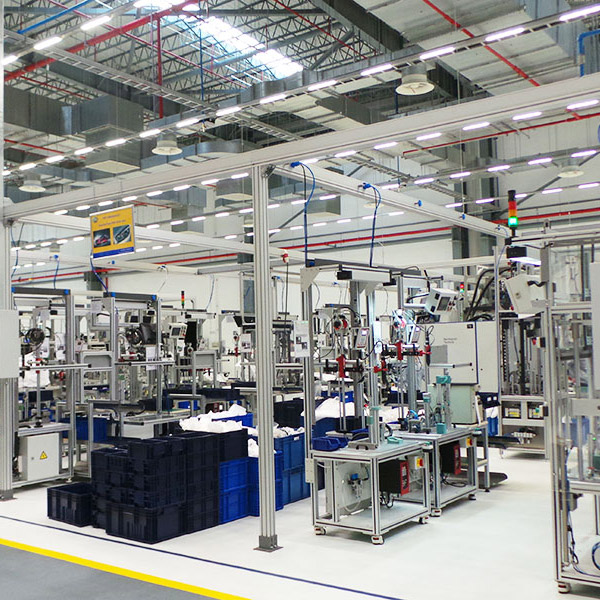
How Tolerance Stack-Up Affects Final Headlamp Performance
In automotive lighting, precision is everything. Headlamps are complex assemblies made up of lenses, reflectors, housings, projector modules, seals, and electronic components. Each of these parts is manufactured within a specified tolerance range. While individual tolerances may seem small, their combined effect—known as tolerance stack-up—can significantly influence the final performance of the headlamp. Managing this accumulation is essential to ensure consistent optical quality, proper beam alignment, and long-term reliability. Tolerance stack-up occurs when dimensional variations from multiple components add together during assembly. For example, slight deviations in lens curvature, reflector positioning, and mounting interfaces may individually fall within acceptable limits. However, when combined, they can shift the optical axis or distort the intended beam pattern. In headlamp systems, even minor misalignments can lead to reduced visibility or increased glare, both of which directly impact safety and regulatory compliance.
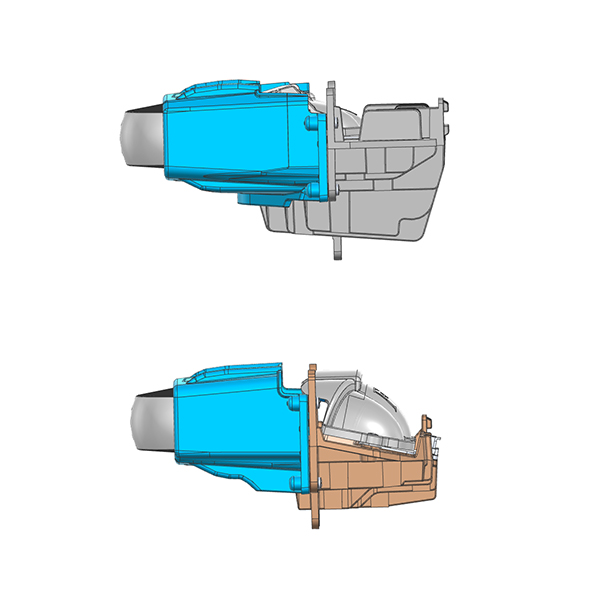
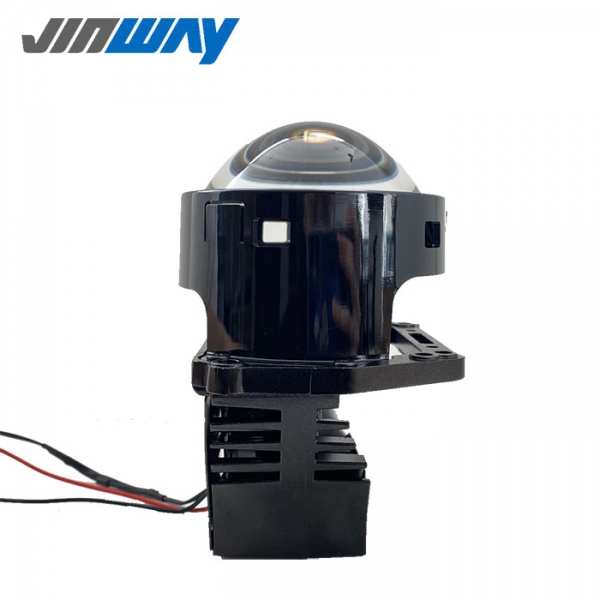
One of the most critical areas affected by tolerance stack-up is optical alignment. Projector systems, in particular, require precise positioning of the light source, reflector bowl, cutoff shield, and lens. If tolerances accumulate in an unfavorable direction, the cutoff line may shift or lose sharpness. This can result in non-compliance with photometric standards, requiring rework or rejection of the product. Reflector-based systems are also affected, as surface geometry and bulb positioning must remain consistent to achieve the desired light distribution. Mechanical fit and sealing performance are also influenced by tolerance stack-up. Variations in housing dimensions, gasket thickness, and assembly pressure can affect how well components fit together. Poor fit may lead to gaps, uneven stress distribution, or compromised sealing, increasing the risk of moisture ingress. Over time, this can cause condensation inside the headlamp, reducing light output and damaging internal components.
From a manufacturing perspective, controlling tolerance stack-up begins at the design stage. Engineers must carefully analyze how individual part tolerances interact and define acceptable limits for the complete assembly. Techniques such as tolerance analysis and simulation help predict potential issues before production begins. By optimizing part dimensions and assembly strategies, manufacturers can minimize the risk of cumulative errors. Precision tooling and high-quality manufacturing processes are essential to keep tolerances within defined limits. Injection molds, machining tools, and assembly fixtures must be designed and maintained to produce consistent parts. Regular calibration and quality checks ensure that variations do not drift over time, which could worsen stack-up effects in mass production.
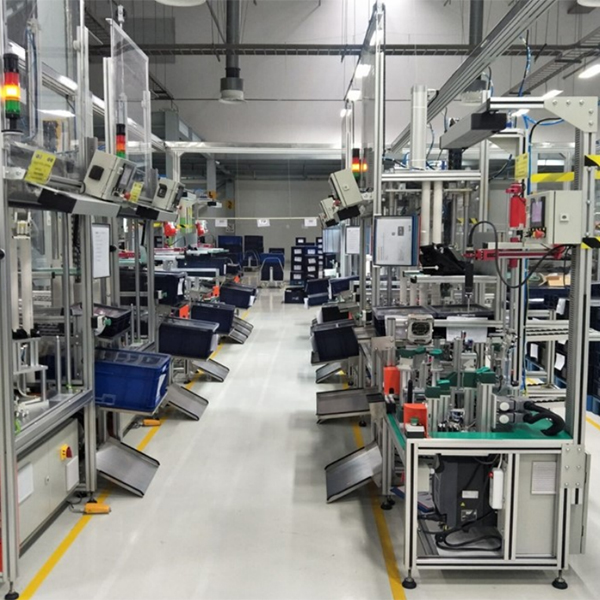
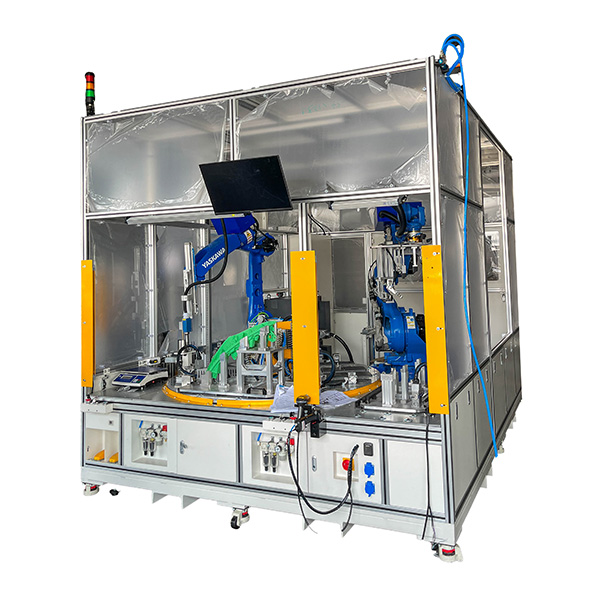
Assembly processes also play a crucial role in managing tolerance accumulation. Automated assembly systems with precise positioning and alignment capabilities can compensate for minor variations and ensure consistent results. Adjustable fixtures and alignment stations allow fine-tuning during assembly, helping to correct deviations before final integration. Inspection and testing provide an additional layer of control. Dimensional measurement systems verify component accuracy, while photometric testing confirms that the assembled headlamp meets optical performance standards. By identifying issues early, manufacturers can adjust processes or isolate problematic components before they affect large production batches.
Material behavior must also be considered. Thermal expansion, shrinkage during molding, and long-term material deformation can alter component dimensions. Engineers must account for these factors when defining tolerances, ensuring that performance remains stable under different environmental conditions. Ultimately, tolerance stack-up is a critical factor that bridges design, manufacturing, and performance in automotive lighting. Effective management requires a holistic approach that combines precise engineering, controlled production processes, and rigorous quality assurance. By minimizing the impact of accumulated variations, manufacturers can deliver headlamps that consistently meet safety standards, maintain optical accuracy, and perform reliably throughout their lifespan.