The Evolution of Automated Inspection in Automotive Lighting
Automated inspection in automotive lighting has evolved from simple visual checks to highly sophisticated, data-driven systems that play a central role in modern manufacturing. As lighting technology has advanced—from halogen bulbs to LEDs, projectors, and adaptive systems—the need for more precise and reliable inspection methods has grown. Today, automated inspection is not just a quality control step; it is an integrated part of the production process that ensures performance, compliance, and consistency. In the early stages of automotive lighting production, inspection was largely manual. Operators visually checked components for defects such as scratches, misalignment, or contamination. While effective to a certain extent, manual inspection was limited by human subjectivity, fatigue, and inconsistency. As production volumes increased and quality standards became stricter, manufacturers began adopting basic automated systems to improve repeatability and reduce reliance on human judgment.
The introduction of machine vision marked a major milestone in inspection technology. Cameras combined with image-processing software enabled manufacturers to detect surface defects, verify assembly accuracy, and measure dimensions with far greater precision than manual methods. These systems could operate continuously at high speeds, significantly improving inspection efficiency while maintaining consistent quality standards. As automotive lighting systems became more complex, inspection requirements expanded beyond surface quality. Optical performance, including beam pattern and light intensity, became critical factors. This led to the development of automated photometric testing systems capable of measuring light distribution and verifying compliance with global regulations. These systems allowed manufacturers to evaluate not just how a product looks, but how it performs in real-world conditions.
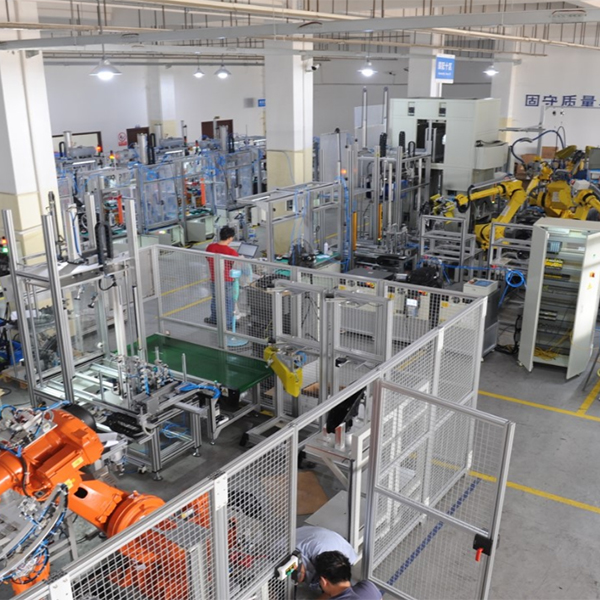
Another important evolution has been the integration of inspection into the production line. Instead of relying solely on end-of-line testing, modern manufacturing incorporates inline inspection at multiple stages. For example, vision systems may check coating quality immediately after application, while alignment verification occurs during assembly. This approach allows defects to be identified and corrected early, reducing waste and improving overall efficiency. The rise of advanced sensors and multi-modal inspection systems has further enhanced capabilities. Today’s inspection equipment can combine visual imaging, laser measurement, thermal analysis, and electrical testing in a single platform. This comprehensive approach ensures that every aspect of the product—mechanical, optical, and electronic—is thoroughly evaluated before it reaches the customer.
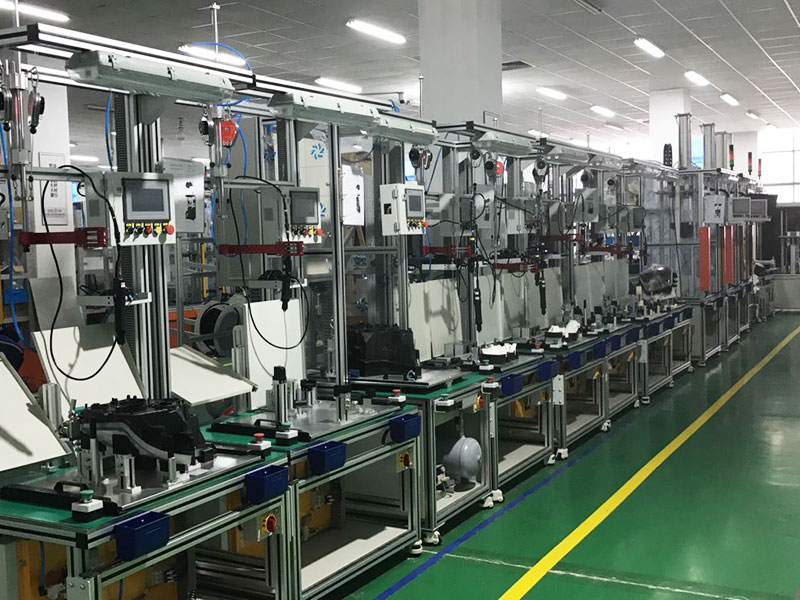
Data integration has become a defining feature of modern automated inspection. Inspection systems now collect and store large amounts of data, providing valuable insights into production quality and process performance. By analyzing this data, manufacturers can identify trends, detect potential issues early, and implement continuous improvements. This data-driven approach supports higher yield rates and more stable production processes. Artificial intelligence and machine learning are the latest advancements shaping the future of automated inspection. AI-powered systems can learn from historical data to improve defect detection accuracy and adapt to new product variations. These technologies reduce false positives, enhance detection of subtle defects, and enable more flexible inspection in multi-model production environments.
Automation has also improved traceability and compliance. Each inspected component can be linked to specific production parameters and inspection results, creating a complete digital record. This traceability is essential for meeting OEM requirements, supporting audits, and ensuring accountability across the supply chain. Looking ahead, automated inspection will continue to evolve alongside automotive lighting technologies. As lighting systems become more intelligent and integrated with vehicle electronics, inspection methods will need to become even more advanced. Real-time monitoring, predictive quality control, and fully connected smart factories will define the next phase of development.
The evolution of automated inspection in automotive lighting reflects the industry’s commitment to precision, efficiency, and safety. By combining advanced imaging, data analytics, and intelligent systems, manufacturers can ensure that every lighting product meets the highest standards—delivering reliable performance and supporting the future of automotive innovation.